Spyke

Posts

chemistry·Chemistrybysixfold

List of alchemical substances - Wikipedia

cross-posted from: https://lemmy.sdf.org/post/3795687

"Many of these terms were in common use into the 20th century."

I hear many of these terms in common usage today, like potash, tartar, spirits, soda/soda ash, lime, soda lime, slacked lime, quicklime, lye, alkali, caustic soda, caustic potash, caustic alkali, quicksilver, chalk, cinnabar, fools gold, fulminating silver, fulminating gold, gypsum, vitriol has taken on a less specific meaning, aqua regia, turpentines, lead sugar, sulfur.

I think the reason that so many of these terms are retained is that the substances they refer to have been known for thousands of years in some cases.

brimstone is a much cooler name for sulfur that should be brought back. aqua vitae is a nice name for ethanol. the names of metals haven't changed.

https://en.wikipedia.org/wiki/List_of_alchemical_substancesOpen linkView original on lemmy.sdf.org
8
series_of_tubes·A Series of Tubesbysixfold

List of alchemical substances - Wikipedia

"Many of these terms were in common use into the 20th century."

I hear many of these terms in common usage today, like potash, tartar, spirits, soda/soda ash, lime, soda lime, slacked lime, quicklime, lye, alkali, caustic soda, caustic potash, caustic alkali, quicksilver, chalk, cinnabar, fools gold, fulminating silver, fulminating gold, gypsum, vitriol has taken on a less specific meaning, aqua regia, turpentines, lead sugar, sulfur.

I think the reason that so many of these terms are retained is that the substances they refer to have been known for thousands of years in some cases.

brimstone is a much cooler name for sulfur that should be brought back. aqua vitae is a nice name for ethanol. the names of metals haven't changed.

https://en.wikipedia.org/wiki/List_of_alchemical_substancesOpen linkView original on lemmy.sdf.org
3
biology·Biologybysixfold

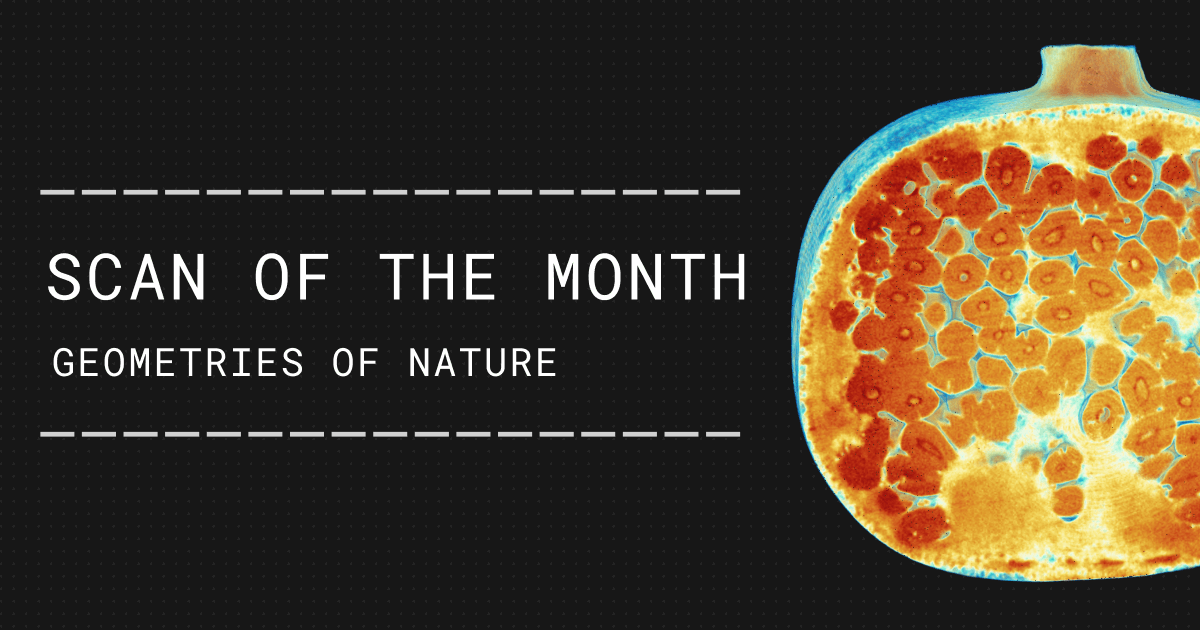
Figs and Fig Wasps coupled sexual reproduction

cross-posted from: https://lemmy.sdf.org/post/3152363

Figs and fig wasps have a tightly coordinated reproductive cycle, and have been cospeciating for 70 to 90 million years. The pollination of figs is accomplished in an internal cavity only accessible to a specific species of wasp. The wasp enters through an opening that is only just large enough for it to get through, loosing it's wings and antenna in the process. Pollen on the wasp pollinate the fig's internal flowers, and the wasp lays it's eggs in some of the flowers before dying there. When the male wasps hatch, they fertilize the unhatched females, and burrow tunnels out of the fig before also dying inside it. When the females hatch, they exit the fig through the tunnels, taking pollen with them to search for a fig within which to lay their eggs.

https://en.wikipedia.org/wiki/Syconium https://en.wikipedia.org/wiki/Fig_wasp

Figs and Fig Wasps coupled sexual reproductionhttps://www.scanofthemonth.com/scans/geometries-of-nature#figOpen linkView original on lemmy.sdf.org
9
series_of_tubes·A Series of Tubesbysixfold

Figs and Fig Wasps coupled sexual reproduction

Figs and fig wasps have a tightly coordinated reproductive cycle, and have been cospeciating for 70 to 90 million years. The pollination of figs is accomplished in an internal cavity only accessible to a specific species of wasp. The wasp enters through an opening that is only just large enough for it to get through, loosing it's wings and antenna in the process. Pollen on the wasp pollinate the fig's internal flowers, and the wasp lays it's eggs in some of the flowers before dying there. When the male wasps hatch, they fertilize the unhatched females, and burrow tunnels out of the fig before also dying inside it. When the females hatch, they exit the fig through the tunnels, taking pollen with them to search for a fig within which to lay their eggs.

https://en.wikipedia.org/wiki/Syconium https://en.wikipedia.org/wiki/Fig_wasp

Figs and Fig Wasps coupled sexual reproductionhttps://www.scanofthemonth.com/scans/geometries-of-nature#figOpen linkView original on lemmy.sdf.org
4
programming·Programmingbysixfold

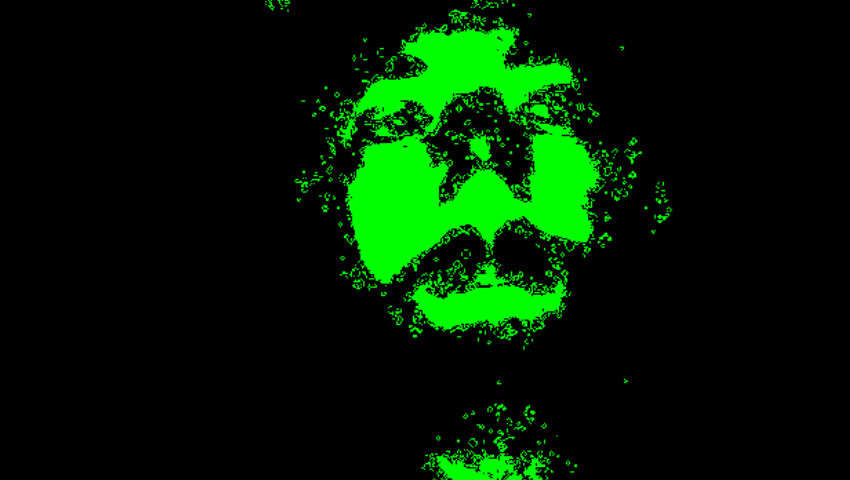
Game of Life shader

I've been playing with shadertoy a bit, and here is a lil demo. It's probably not the best way to do it, code suggestions welcome.

https://www.shadertoy.com/view/dtlBRM

Here's most of the code for reference:

void mainImage( out vec4 fragColor, in vec2 fragCoord )
{
    // fetch neighbor values from last frame, loop back onto screen if off screen
    mat3 n;
    n[0][0] = texelFetch(iChannel0, ivec2(mod(vec2(fragCoord) + vec2(-1., -1.), iResolution.xy)), 0).g;
    n[1][0] = texelFetch(iChannel0, ivec2(mod(vec2(fragCoord) + vec2(0., -1.), iResolution.xy)), 0).g;
    n[2][0] = texelFetch(iChannel0, ivec2(mod(vec2(fragCoord) + vec2(1., -1.), iResolution.xy)), 0).g;
    n[0][1] = texelFetch(iChannel0, ivec2(mod(vec2(fragCoord) + vec2(-1., 0.), iResolution.xy)), 0).g;
    n[1][1] = texelFetch(iChannel0, ivec2(mod(vec2(fragCoord) + vec2(0., 0.), iResolution.xy)), 0).g;
    n[2][1] = texelFetch(iChannel0, ivec2(mod(vec2(fragCoord) + vec2(1., 0.), iResolution.xy)), 0).g;
    n[0][2] = texelFetch(iChannel0, ivec2(mod(vec2(fragCoord) + vec2(-1., 1.), iResolution.xy)), 0).g;
    n[1][2] = texelFetch(iChannel0, ivec2(mod(vec2(fragCoord) + vec2(0., 1.), iResolution.xy)), 0).g;
    n[2][2] = texelFetch(iChannel0, ivec2(mod(vec2(fragCoord) + vec2(1., 1.), iResolution.xy)), 0).g;
    
    // sum of neighbors
    float sum = n[0][0] + n[1][0] + n[2][0] +
                n[0][1] +           n[2][1] +
                n[0][2] + n[1][2] + n[2][2];
                
    if(n[1][1] == 0.) {
        if(sum == 3.) {
            // if dead and has 3 neighbors, come alive
            fragColor = vec4(0., 1., 0., 1.);
        } else {
            // otherwise stay dead
            fragColor = vec4(0., 0., 0., 1.);
        }
    } else {
        if(sum == 2. || sum == 3.) {
            // if alive and has 2 or 3 neighbors, stay alive
            fragColor = vec4(0., 1., 0., 1.);
        } else {
            // otherwise, die
            fragColor = vec4(0., 0., 0., 1.);
        }
    }
}

Game of Life shaderhttps://diode.zone/w/jzkAPmssikUAKHWy2Ttm8EOpen linkView original on lemmy.sdf.org
46
biology·Biologybysixfold

Mutations on a Gene regulatory network

Now a set of useful mutations are implemented, and balanced so that the number of nodes or edges doesn't explode.

The mutations I've implemented (node are genes are nodes):

add random gene
delete node
delete group of nodes (range of indexes)
split edge    create new node in place of an edge (insertNode)
flip edge
duplicate node
duplicated group of nodes (range of indexes)
change node index (regrouping/separating functional groups)
change group of nodes index (transposable elements)
create random edge
delete random existing edge
scale existing edge weight
negate weight
redirect existing edge to random node
scale parameter (k1, b, k2)
negate bias

This is the next installment from the Gene Regulatory Network saga.

previously: https://lemmy.sdf.org/post/1967056######

Mutations on a Gene regulatory networkhttps://diode.zone/w/cPjeeG4x3EuX2fDboNey69Open linkView original on lemmy.sdf.org
4
series_of_tubes·A Series of Tubesbysixfold
8