Spyke

Posts

conservative·Conservativebyliv

Traditional agrifood systems conserve biodiversity and support nutrition in Mexico

Mexico has had a long history of resilient agricultural systems and food cultures that reflect the country’s agrobiodiversity. With GEF funding, FAO and CONABIO are reviving traditional practices to support the resilience of farmers’ livelihoods and meet the population’s nutritional needs

Traditional agrifood systems conserve biodiversity and support nutrition in Mexicohttps://www.fao.org/newsroom/story/traditional-agrifood-systems-conserve-biodiversity-and-support-nutrition-in-mexico/enOpen linkView original on kbin.social
conservative·Conservativebyliv

A ‘conservation conundrum’ – when rat control to conserve one species threatens another

The sad case of the Norfolk Island morepork shows we need a way to control or eradicate invasive rodents without killing native species. When pest rats and mice decimate populations of native species, pest control is a no-brainer. But what if baiting rats protects threatened songbirds, while poisoning critically endangered owls?

This is a question conservation managers are grappling with on tiny Norfolk Island, some 1,300 kilometres off the east coast of Australia. They’re not the only ones troubled by such conflicting priorities.

Rodents are implicated in the decline of at least 400 threatened species and 30% of bird, mammal and reptile extinctions worldwide. Unfortunately, the most effective rat baits can also kill birds of prey.

Our new research shows the critically endangered Norfolk Island morepork is eating even more rats and mice than previously thought. These birds of prey are being poisoned in the process. We clearly need a way to control or eradicate rodents without killing our native species.

A ‘conservation conundrum’ – when rat control to conserve one species threatens anotherhttps://theconversation.com/a-conservation-conundrum-when-rat-control-to-conserve-one-species-threatens-another-229188Open linkView original on kbin.social
conservative·Conservativebyliv

China and U.S. launch 10-year agreement to conserve giant pandas

The China Wildlife Conservation Association (CWCA) and the San Diego Zoo in the United States recently signed a giant panda conservation agreement, with a pair of giant pandas selected for a 10-year international conservation cooperation project.

To protect the well-being of giant pandas in the U.S., experts from CWCA visited the San Diego Zoo in March for in-depth discussions and technical exchanges on panda care, living conditions and health requirements.

China and U.S. launch 10-year agreement to conserve giant pandashttps://news.cgtn.com/news/2024-04-27/China-and-U-S-launch-10-year-agreement-to-conserve-giant-pandas-1t8MgFmSjle/p.htmlOpen linkView original on kbin.social
mecfs·ME/CFS (kbin)byliv

Announcement from Jarred Younger: 012 - Good News from the FDA - Time to Start Scanning!

We have been given the green light for our new scan tracking leukocyte infiltration of the brain. We can now run the first-ever patient! I wanted to share the exciting news - Jarred Younger.

Jarred Younger's research uses new techniques to study the brain inflammation present in MECFS. If he finds leucocytes in the brains of pwMECFS that would mean they had crossed the brain blood barrier.

View original on kbin.social
mecfs·ME/CFS (kbin)byliv

Journal article: Why the Psychosomatic View on Myalgic Encephalomyelitis/Chronic Fatigue Syndrome Is Inconsistent with Current Evidence and Harmful to Patients

Abstract: Since 1969, Myalgic Encephalomyelitis/Chronic Fatigue Syndrome (ME/CFS) has been classified as a neurological disease in the International Classification of Diseases by the World Health Organization. Although numerous studies over time have uncovered organic abnormalities in patients with ME/CFS, and the majority of researchers to date classify the disease as organic, many physicians still believe that ME/CFS is a psychosomatic illness. In this article, we show how detrimental this belief is to the care and well-being of affected patients and, as a consequence, how important the education of physicians and the public is to stop misdiagnosis, mistreatment, and stigmatization on the grounds of incorrect psychosomatic attributions about the etiology and clinical course of ME/CFS.

Journal article: Why the Psychosomatic View on Myalgic Encephalomyelitis/Chronic Fatigue Syndrome Is Inconsistent with Current Evidence and Harmful to Patientshttps://www.mdpi.com/1648-9144/60/1/83Open linkView original on kbin.social
conservative·Conservativebyliv

Nature Trust of BC making final push to conserve Ferguson Lake Wetland

The Nature Trust of BC is making its final push to purchase a parcel of land near Prince George.The Ferguson Lake Wetlands is a 129.2-hectare area of wetland, riparian forest, and mixed forest ecosystems.

The parcel is adjacent to the 31-hectare Ferguson Lake Conservation Area, which the Nature Trust already owns. .

“These wetland and riparian ecosystems are powerful carbon sinks that provide nature-based solutions to climate change,” said Nature Trust CEO Dr. Jasper Lament.

https://www.myprincegeorgenow.com/195150/news/nature-trust-of-bc-making-final-push-to-conserve-ferguson-lake-wetlands/Open linkView original on kbin.social
mecfs·ME/CFS (kbin)byliv

NEWS: Chairman Bernie Sanders Releases Long COVID Moonshot Legislative Proposal | The U.S. Senate Committee on Health, Education, Labor & Pensions

WASHINGTON, April 9 – Sen. Bernie Sanders (I-Vt.), Chair of the Senate Health, Education, Labor, and Pensions (HELP) Committee, today released a draft legislative proposal to address the Long COVID crisis that is negatively impacting the health of some 22 million Americans.

Before formally introducing this legislation in the Senate, the HELP Committee wants to hear from the Long COVID community to get their views on how this proposal can be improved and strengthened to effectively deal with this public health emergency. The committee is particularly interested in hearing from Long COVID patients and their families, scientific researchers, and medical professionals.

The public input on the proposal will help inform the legislation that Chair Sanders introduces.

NEWS: Chairman Bernie Sanders Releases Long COVID Moonshot Legislative Proposal | The U.S. Senate Committee on Health, Education, Labor & Pensionshttps://www.help.senate.gov/chair/newsroom/press/news-chairman-bernie-sanders-releases-long-covid-moonshot-legislative-proposalOpen linkView original on kbin.social
mecfs·ME/CFS (kbin)byliv

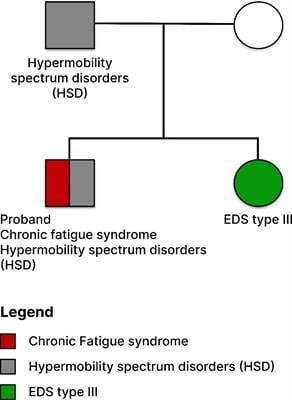
Frontiers | Longitudinal cytokine and multi-modal health data of an extremely severe ME/CFS patient with HSD reveals insights into immunopathology, and disease severity

Precis (full article in link): Introduction: Myalgic Encephalomyelitis/Chronic Fatigue Syndrome (ME/CFS) presents substantial challenges in patient care due to its intricate multisystem nature, comorbidities, and global prevalence. The heterogeneity among patient populations, coupled with the absence of FDA-approved diagnostics and therapeutics, further complicates research into disease etiology and patient managment. Integrating longitudinal multi-omics data with clinical, health,textual, pharmaceutical, and nutraceutical data offers a promising avenue to address these complexities, aiding in the identification of underlying causes and providing insights into effective therapeutics and diagnostic strategies.

Methods: This study focused on an exceptionally severe ME/CFS patient with hypermobility spectrum disorder (HSD) during a period of marginal symptom improvements. Longitudinal cytokine profiling was conducted alongside the collection of extensive multi-modal health data to explore the dynamic nature of symptoms, severity, triggers, and modifying factors. Additionally, an updated severity assessment platform and two applications, ME-CFSTrackerApp and LexiTime, were introduced to facilitate real-time symptom tracking and enhance patient-physician/researcher communication, and evaluate response to medical intervention.

Results: Longitudinal cytokine profiling revealed the significance of Th2-type cytokines and highlighted synergistic activities between mast cells and eosinophils, skewing Th1 toward Th2 immune responses in ME/CFS pathogenesis, particularly in cognitive impairment and sensorial intolerance. This suggests a potentially shared underlying mechanism with major ME/CFS comorbidities such as HSD, Mast cell activation syndrome, postural orthostatic tachycardia syndrome (POTS), and small fiber neuropathy. Additionally, the data identified potential roles of BCL6 and TP53 pathways in ME/CFS etiology and emphasized the importance of investigating adverse reactions to medication and supplements and drug interactions in ME/CFS severity and progression.

Discussion: Our study advocates for the integration of longitudinal multi-omics with multi-modal health data and artificial intelligence (AI) techniques to better understand ME/CFS and its major comorbidities. These findings highlight the significance of dysregulated Th2-type cytokines in patient stratification and precision medicine strategies. Additionally, our results suggest exploring the use of low-dose drugs with partial agonist activity as a potential avenue for ME/CFS treatment. This comprehensive approach emphasizes the importance of adopting a patient-centered care approach to improve ME/CFS healthcare management, disease severity assessment, and personalized medicine. Overall, these findings contribute to our understanding of ME/CFS and offer avenues for future research and clinical practice.

Frontiers | Longitudinal cytokine and multi-modal health data of an extremely severe ME/CFS patient with HSD reveals insights into immunopathology, and disease severityhttps://www.frontiersin.org/journals/immunology/articles/10.3389/fimmu.2024.1369295/fullOpen linkView original on kbin.social
mecfs·ME/CFS (kbin)byliv

‘You don’t want to get better’: the outdated treatment of ME/CFS patients is a national scandal | George Monbiot

The notion that this illness is psychosomatic is having devastating effects, says Guardian columnist George Monbiot

It’s the greatest medical scandal of the 21st century. For decades, patients with ME/CFS (myalgic encephalomyelitis/chronic fatigue syndrome) have been told they can make themselves better by changing their attitudes. This devastating condition, which afflicts about 250,000 people in the UK, was psychologised by many doctors and scientists, adding to the burden of a terrible physiological illness.

Long after this approach was debunked in scientific literature, clinicians who championed it have refused to let go. They continue to influence healthcare systems, governments and health insurers. And patients still suffer as a result.

ME/CFS saps sufferers of energy and basic physical and cognitive functions, confining many to their homes or even their beds, often shutting down their working lives, social lives and family lives. The extreme seriousness of this condition, and the fact that there is neither a diagnostic test nor a validated treatment, places a special duty of rigour on doctors and researchers. But patient care has been compromised, and useful research inhibited, by the lingering conviction of many practitioners that ME/CFS is “psychosocial”: driven by patients’ beliefs and behaviour...

‘You don’t want to get better’: the outdated treatment of ME/CFS patients is a national scandal | George Monbiothttps://www.theguardian.com/commentisfree/2024/mar/12/chronic-fatigue-syndrome-me-treatments-social-servicesOpen linkView original on kbin.social

mecfs·ME/CFS (kbin)byliv

Deep phenotyping of post-infectious myalgic encephalomyelitis/chronic fatigue syndrome - Nature Communications

Abstract

Post-infectious myalgic encephalomyelitis/chronic fatigue syndrome (PI-ME/CFS) is a disabling disorder, yet the clinical phenotype is poorly defined, the pathophysiology is unknown, and no disease-modifying treatments are available. We used rigorous criteria to recruit PI-ME/CFS participants with matched controls to conduct deep phenotyping. Among the many physical and cognitive complaints, one defining feature of PI-ME/CFS was an alteration of effort preference, rather than physical or central fatigue, due to dysfunction of integrative brain regions potentially associated with central catechol pathway dysregulation, with consequences on autonomic functioning and physical conditioning. Immune profiling suggested chronic antigenic stimulation with increase in naïve and decrease in switched memory B-cells. Alterations in gene expression profiles of peripheral blood mononuclear cells and metabolic pathways were consistent with cellular phenotypic studies and demonstrated differences according to sex. Together these clinical abnormalities and biomarker differences provide unique insight into the underlying pathophysiology of PI-ME/CFS, which may guide future intervention.

Full text and pdf in link.

Deep phenotyping of post-infectious myalgic encephalomyelitis/chronic fatigue syndrome - Nature Communicationshttps://www.nature.com/articles/s41467-024-45107-3Open linkView original on kbin.social
mecfs·ME/CFS (kbin)byliv

Sweeping chronic fatigue study brings clues but not clarity to mysterious syndrome (deep phenotyping study)

The new work, published this week in Nature Communications, affirms that ME/CFS is unquestionably biologically rooted, says Avindra Nath, clinical director of the U.S. National Institute of Neurological Disorders and Stroke, who led the study. It revealed brain activity differences, along with immune and other abnormalities, in 17 people with ME/CFS compared with 21 healthy controls.

https://www.science.org/content/article/sweeping-chronic-fatigue-study-brings-clues-not-clarity-mysterious-syndromeOpen linkView original on kbin.social
mecfs·ME/CFS (kbin)byliv

CFS: number of patients is expected to double due to long-term effects of the COVID-19 pandemic: Scientists at MedUni Vienna have now identified possible biomarkers that could improve the diagnosis an

The study by Eva Untersmayr-Elsenhuber and her team from MedUni Vienna's Center for Pathophysiology, Infectiology and Immunology builds on earlier research on immune disorders and the intestinal barrier function in patients with ME/CFS. It is well known that ME/CFS patients often differ greatly in the clinical manifestations of their disease. However, despite intensive research, there is still no measurable parameter (biomarker) that clearly indicates the disease.

As the MedUni Vienna research team shows, ME/CFS patients can be divided into subgroups based on the function of their immune system. The study was able to identify various biomarkers in the patients that indicate immune system disorders or reduced intestinal barrier function. As a result, differences relevant to clinical care were identified in ME/CFS patients that would have remained undetected without the previous immunological stratification of the ME/CFS patient group. "In our study, we see that the immunological evaluation of ME/CFS patients is of crucial importance. Patients suffering from immunodeficiencies are characterised by an altered innate immune function. In ME/CFS patients with an intact immune system, the intestinal barrier function was reduced," explains the study’s principal investigator Eva Untersmayr-Elsenhuber. According to the researchers, this not only provides a more detailed insight in different disease mechanisms, but also indicates that depending on the patient’s immune competence, some treatment approaches might be more suitable than others.

The next step will be to review the study results on a larger scale. In order to advance research in the field, the first ME/CFS Biobank in Austria is currently being set up at MedUni Vienna with the support of the WE&ME Foundation. “ME/CFS Biobank Austria” collects human samples, which will be made available for future research projects. Untersmayr-Elsenhuber: "To ensure that ME/CFS research can take place quickly and transnationally in the future, we have been coordinating with research groups in the UK, the Netherlands and Germany from the outset."

CFS: number of patients is expected to double due to long-term effects of the COVID-19 pandemic: Scientists at MedUni Vienna have now identified possible biomarkers that could improve the diagnosis anhttps://www.meduniwien.ac.at/web/en/ueber-uns/news/2024/news-im-februar-2024/chronic-fatigue-syndrome-number-of-patients-is-expected-to-double-due-to-long-term-effects-of-the-covid-19-pandemic-1/Open linkView original on kbin.social

mecfs·ME/CFS (kbin)byliv

Immunological Patient Stratification in Myalgic Encephalomyelitis/Chronic Fatigue Syndrome, Rohrhofer et al 2024 (full text)

Abstract: Myalgic encephalomyelitis/chronic fatigue syndrome (ME/CFS) is a complex disease characterized by profound fatigue, post-exertional malaise (PEM), and neurocognitive dysfunction. Immune dysregulation and gastrointestinal symptoms are commonly observed in ME/CFS patients. Despite affecting approximately 0.89% of the general population, the underlying pathophysiological mechanisms remain poorly understood. This study aimed to elucidate the relationship between immunological characteristics and intestinal barrier function in ME/CFS patients. ME/CFS patients were stratified into two groups based on their immune competence. After documentation of detailed medical records, serum and plasma samples were collected for the assessment of inflammatory immune mediators and biomarkers for intestinal barrier integrity by ELISA. We found reduced complement protein C4a levels in immunodeficient ME/CFS patients suggesting a subgroup-specific innate immune dysregulation. ME/CFS patients without immunodeficiencies exhibit a mucosal barrier leakage, as indicated by elevated levels of Lipopolysaccharide-binding protein (LBP). Stratifying ME/CFS patients based on immune competence enabled the distinction of two subgroups with different pathophysiological patterns. The study highlights the importance of emphasizing precise patient stratification in ME/CFS, particularly in the context of defining suitable treatment strategies. Given the substantial health and socioeconomic burden associated with ME/CFS, urgent attention and research efforts are needed to define causative treatment approaches.

Immunological Patient Stratification in Myalgic Encephalomyelitis/Chronic Fatigue Syndrome, Rohrhofer et al 2024 (full text)https://www.mdpi.com/2077-0383/13/1/275Open linkView original on kbin.social