... it used to be extremely normal to just regularly go outside.
You know, go wander around, on foot, for a walk, as a natural instinct.
Nietzche had some kind of significant degenerative neurological disorder that wracked him with pain and worsening motor skills. In 1889 he had a complete collapse, likely a massive stroke, and was essentially paralysed, demented and bedridden for basically the last 10 years of his life.
It is likely he was extremely aware that his worsening condition or increasing frequency of minor strokes were robbing him of his ability to go out for those walks.
As best I can tell, his quote in OP image is... I guess you could say a different translation and/or simplification/bastardization of a line from Ecce Homo.
Remain seated as little as possible, put no trust in any thought that is not born in the open, to the accompaniment of free bodily motion — nor in one in which even the muscles do not celebrate a feast.
Nietzche loved going on Alpine walks. Ecce Homo was finished in 1888, around a year before his totally debilitating major stroke.
So more or less, Nietzche was a man whose philosophy included the idea that one should be physically active while considering things... and he wrote that down roughly a year before a massive stroke robbed him of the ability to do that.
I think he might be saying that the flashes of brilliance, the best insights come to us when we're not studying. When we physically wander, our minds wander more freely too, and that's when the connections are found. I solved more tough problems during my evening commute than I did at work the nine or ten hours before, banging my head against it.
"Minds moving freely" is a good way to put it. I also think when we stay cooped up inside too much, our minds get a bit contained too. The world feels smaller.
It's a real phenomenon that when people isolate themselves, they start fixating on things that they wouldn't have otherwise, sometimes getting paranoid or anxious.

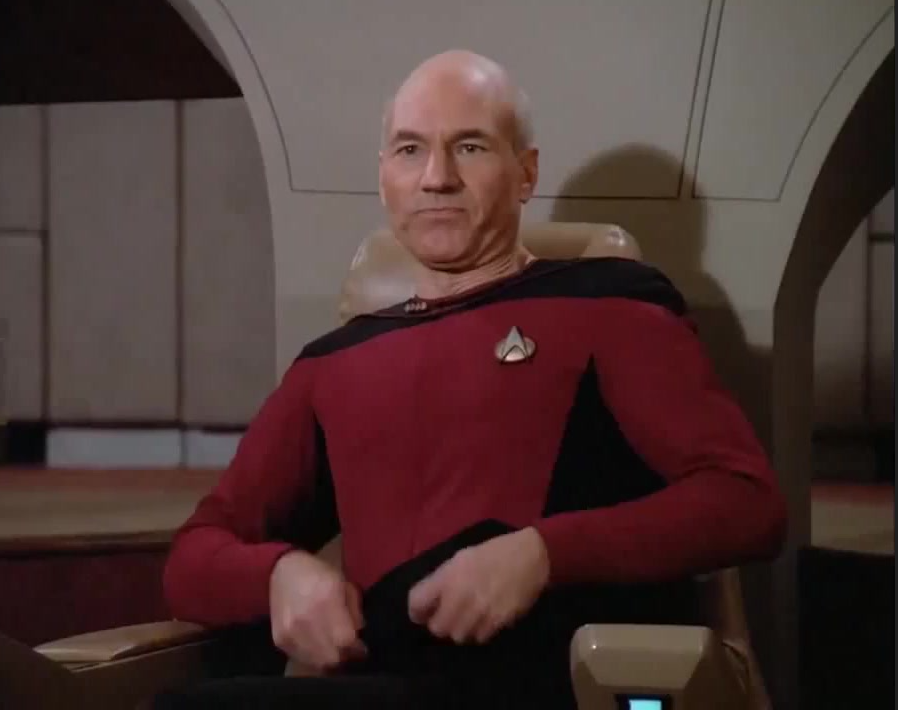
15 replies
... it used to be extremely normal to just regularly go outside.
You know, go wander around, on foot, for a walk, as a natural instinct.
Nietzche had some kind of significant degenerative neurological disorder that wracked him with pain and worsening motor skills. In 1889 he had a complete collapse, likely a massive stroke, and was essentially paralysed, demented and bedridden for basically the last 10 years of his life.
It is likely he was extremely aware that his worsening condition or increasing frequency of minor strokes were robbing him of his ability to go out for those walks.
As best I can tell, his quote in OP image is... I guess you could say a different translation and/or simplification/bastardization of a line from Ecce Homo.
https://www.goodreads.com/quotes/9526851-later-on-towards-the-middle-of-my-life-i-grew
Nietzche loved going on Alpine walks. Ecce Homo was finished in 1888, around a year before his totally debilitating major stroke.
So more or less, Nietzche was a man whose philosophy included the idea that one should be physically active while considering things... and he wrote that down roughly a year before a massive stroke robbed him of the ability to do that.
When it's winter my outdoor thoughts are "I g-g-g-gotta g-g-get i-i-ins-s-side w-w-where i-i-it's w-w-warm".
And for those who say "touch grass", "Ok, I'll get to that in late May".
I think he might be saying that the flashes of brilliance, the best insights come to us when we're not studying. When we physically wander, our minds wander more freely too, and that's when the connections are found. I solved more tough problems during my evening commute than I did at work the nine or ten hours before, banging my head against it.
If we really see our stats after death, I wanna know just how many times times I solved a proof 3 seconds after I stopped thinking about it.
My best writing came to me while riding a bicycle.
"Minds moving freely" is a good way to put it. I also think when we stay cooped up inside too much, our minds get a bit contained too. The world feels smaller.
It's a real phenomenon that when people isolate themselves, they start fixating on things that they wouldn't have otherwise, sometimes getting paranoid or anxious.
"Touch grass"
But only because you want to, not because of blindly following the morality of the common man.
Sounds like an inside** thought...
all I hear is "Pop a gummy"
Catch 22 in its most literal form.
Wait. I didn't catch the first 21.
"Always do the opposite of what Bart says."
Bro philosophied life so much his mustache sagged.
can't convince me thats not a walrus pretending to be a philosopher