

Microplastics found in 90% of burgers, steaks and chicken
Land-based protein sources like chicken, beef, pork and tofu contain as many microplastics as fishes, study finds
Microplastics have been found in nearly 90 per cent of sources of proteins, including meat and plant-based, according to a new study that serves as a startling reminder of how prolific plastic pollution has become.
While the presence of microplastics in commercial fish and shellfish has been known for long, there has been little research into terrestrial protein sources like beef and chicken that make up a large part of the Western diet.
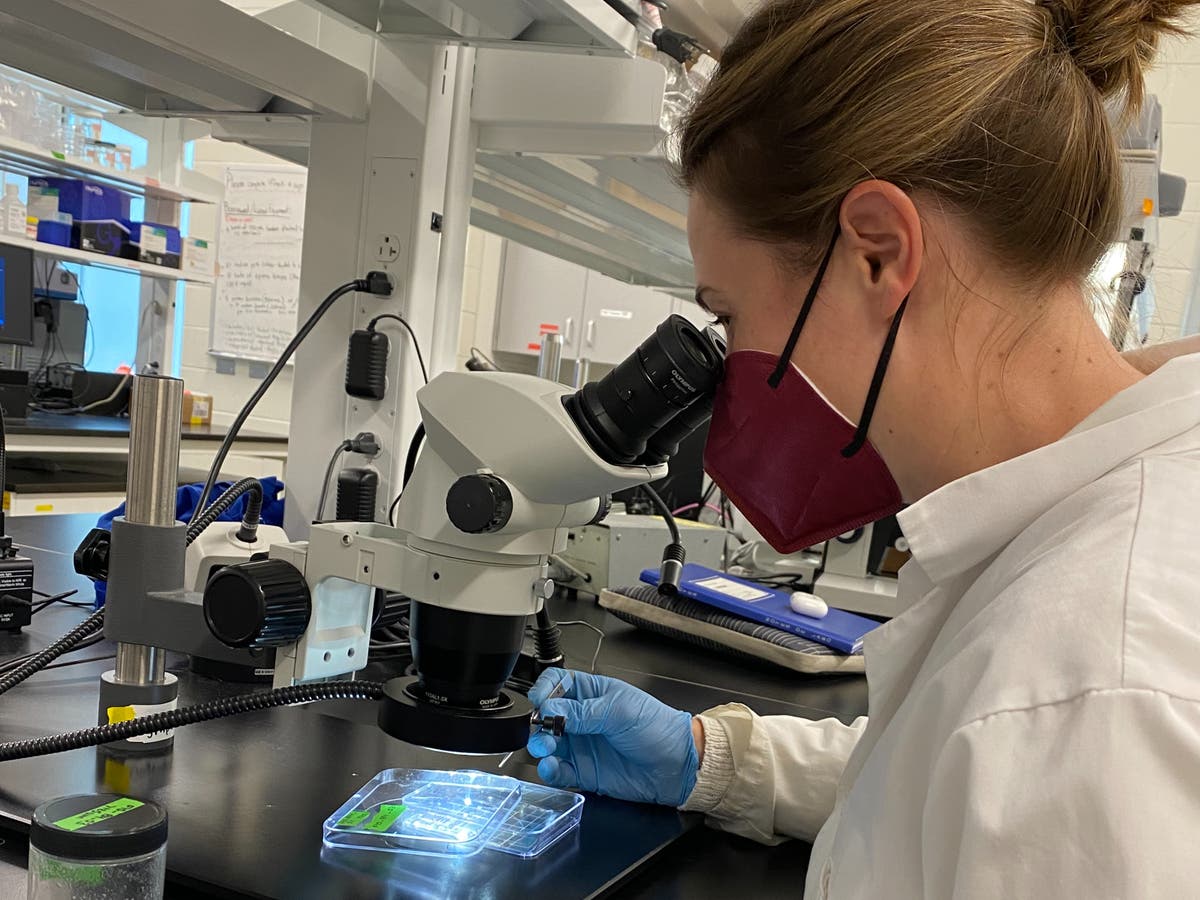
A team of researchers studied samples from 16 different protein types destined for American consumers, including seafood, pork, beef, chicken, tofu, and three different plant-based meat alternatives. They found microplastic particles in 88 per cent of protein food samples tested.
 https://www.independent.co.uk/climate-change/news/microplastics-burgers-steaks-chicken-b2476113.htmlOpen linkView original on lemmy.world
41 replies
Haha sucks for you carnivores, my hippie ass...
DAMNIT I GOTS THE PLASTIC GUT FROM BEAN BRICKS!!!
I make my own tofo, with help from my soy milk machine which is composed mostly of...wait let me check...plastic and acrylic...damn.
We already gave up animals, maybe we should give up on plants and just eat the plastic directly.
Nowadays I just consume pure energy
Pure energy.
Have you seen Crimes of the Future by chance?
Nope, I'm a media weirdo.
Found in humans, too
I usually don't enjoy the taste of humans as much as fish. I think of them like Tuna though with higher concentrations of Mercury but in their case plastics too.
Try it with fava beans and a nice Chianti
Agreed. They're pretty much relegated to a once in a while treat
Have you ever tried them Bones and All?
Welp, time to run the chicken through the reverse osmosis system too.
Rolls up sleeves
I like my chicken distilled.
my RO system uses plasic tubes and plastic housings.
RO provides only the purest of microplastics and the finest BPA.
I’m sure our governments and food manufacturers are hard at work addressing this critical issue. /s
From limited understanding, it causes inflammation as your body reacts to any amount of stimulis.
And since we cant digest them, our bodies try to fight it, causing inflammation
You may as well consider it the lead of the 21st century.
Children in 3045 will be mockingly deriding us in history class for how flippant we were about plastics.
Really? There doesn't seem to be much evidence of any sort, and I don't have a horse in the race. Other than my body.
Theres plenty of evidence that it causes inflammation, and your body cant break it down. So if it wiggles itself into a spot in your body that isnt easily flushed, its going to stay there causing inflammation basically forever.
On top of that, "microplastic" is a catchall term. Rubber dust from car wheels is a microplastic, that you breathe in any time youre within hearing distance of a road. All that rubber in your lungs, alone, cannot be good.
Thats not even thinking about all the other forms of plastic, or their degredation chemicals, or the films and chem linings they carry.
Sure, particulate matter of any sort isn't a good thing to inhale. I'm just wondering if there's anything specific to plastic. Some of the additives are proven to be awful but e.g. polyethylene has so little available surface energy I wonder if it can be doing much, chemically speaking. If it's not this it'll be something else, I'm sure.
From this article...
Okay, yes, that's my current understanding.
Oh, easy, we are functional cockroaches of survival.
Maybe we will be a different species by that point, but our descendants are still in many ways us.
the diversity of microplastics is enormous
most of it is from the plastic that they wrao bread in because they feed it to animals as is
Or from tires, as they shred and grind themselves into a fine plastic compound so light it floats in the breeze off roadways.
Yes it's not good, but research is lacking.
https://pubmed.ncbi.nlm.nih.gov/35065936/
https://pubmed.ncbi.nlm.nih.gov/34185251/
Given my druthers, I would rather not find out the hard way.
There is microplastics in everything. It’s in our clothes, our food, the air we breathe. Not a thing you can do to get away from it.
Well that's a defeatist attitude
You can stop breathing
You’re right I should be like you and just wish
There is a range of options available to us between "stop breathing" and "just wish".
Granted, none of them are easy options, but still, they are options.
Natural fibers will have less microplastics than synthetics like polyester (literally plastic fibers). Eating a predominantly plant based diet (actual fruit and veg, not imitation meat) with little to no processed foods from the center aisles will mean ingesting fewer microplastics. Switching from bottled water to filtered will reduce the amount of microplastics you drink. Stop using tupperwares and saran wrap immediately and instead use glass containers whenever possible.
There's no way to get rid of them completely, but there are ways to mitigate your exposure.
There is no significant difference between micro plastic contamination in meat or plants:
https://www.food-safety.com/articles/9153-study-finds-little-difference-between-plastic-in-seafood-meat-and-plant-based-proteinsits-all-contaminated
https://www.greenpeace.org/eastasia/blog/6016/3-everyday-foods-that-contain-microplastics/
That is an insane number. Wow.
Unfortunately, they're filled with microplastics too. And, in Musk's case, ketamine.
That's why I say don't eat the rich, beat the rich. Repeatedly. With bats. It will last a lot longer and be much more fun anyway.
theyre flavour particles
I prefer the Kroger/Target Bag Spice blend
2020 - S05E10 - Where’s the Beef?
Microplastics have been found in nearly 90 per cent of sources of proteins, including meat and plant-based, according to a new study that serves as a startling reminder of how prolific plastic pollution has become. While the presence of microplastics in commercial fish and shellfish has been known for long, there has been little research into terrestrial protein sources like beef and chicken that make up a large part of the Western diet. A team of researchers studied samples from 16 different protein types destined for American consumers, including seafood, pork, beef, chicken, tofu, and three different plant-based meat alternatives. They found microplastic particles in 88 per cent of protein food samples tested. - TV-MA, 54 mins
SD, SHD, UHD, Dolby Vision; Dolby Stereo, Dolby Surround, Dolby Atmos
Honestly I would be disappointed if there weren't microplastics in my burgers. It's what the body craves