Spyke

Posts

biodiversity·BiodiversitybyGreyShack

Can seabirds hear their way across the ocean? Our research suggests so

There has been a lot of research into how seabirds choose their flight paths and find food. They seem to use their sight or sense of smell to assess local conditions.

Wandering albatrosses can travel more than 10,000km in a single foraging trip, though, and we don't know much about how these birds use mid- and long-range cues from their environment to decide where to go.

For the first time, however, my team's recent study gives an insight into how birds such as wandering albatrosses may use sound to determine what conditions are like further away.

Can seabirds hear their way across the ocean? Our research suggests sohttps://phys.org/news/2023-12-seabirds-ocean.htmlOpen linkView original on lemmy.world

archaeology·ArchaeologybyGreyShack

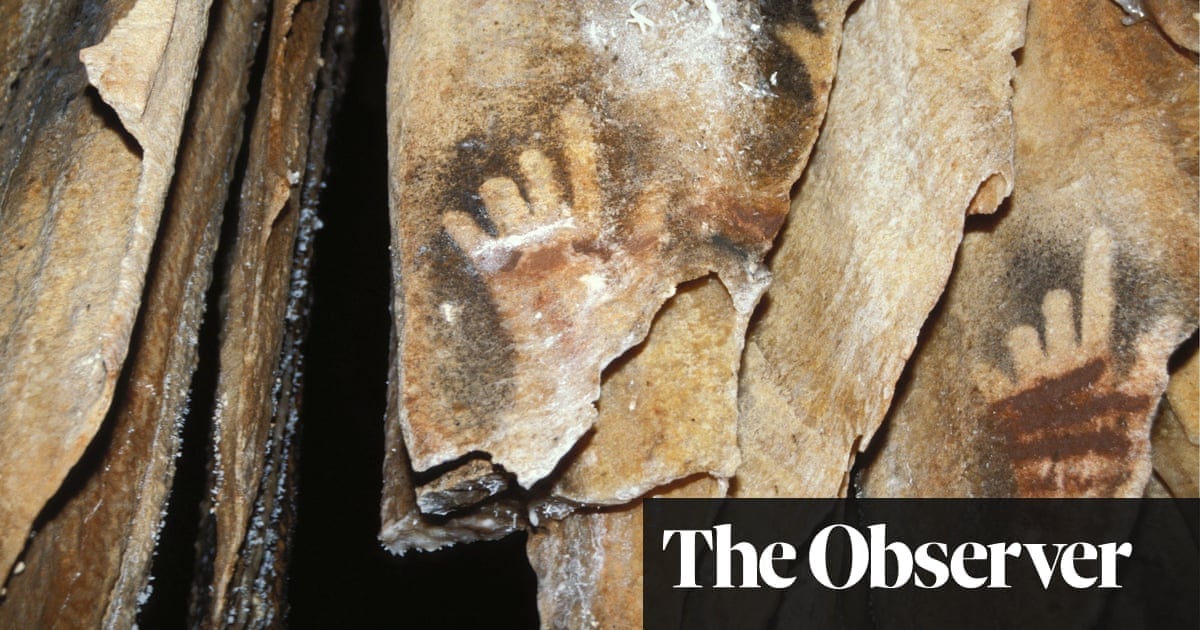
Many prehistoric handprints show a finger missing. What if this was not accidental?

Men and women might have had their fingers deliberately chopped off during religious rituals in prehistoric times, according to a new interpretation of palaeolithic cave art.

In a paper presented at a recent meeting of the European Society for Human Evolution, researchers point to 25,000-year-old paintings in France and Spain that depict silhouettes of hands. On more than 200 of these prints, the hands lack at least one digit. In some cases, only a single upper segment is missing; in others, several fingers are gone.

In the past, this absence of digits was attributed to artistic licence by the cave-painting creators or to ancient people’s real-life medical problems, including frostbite.

But scientists led by archaeologist Prof Mark Collard of Simon Fraser University in Vancouver say the truth may be far more gruesome. “There is compelling evidence that these people may have had their fingers amputated deliberately in rituals intended to elicit help from supernatural entities,” said Collard.

Many prehistoric handprints show a finger missing. What if this was not accidental?https://www.theguardian.com/science/2023/dec/23/prehistoric-handprints-finger-missing-ritually-removedOpen linkView original on lemmy.world
climate·ClimatebyGreyShack

The faith leaders fighting for the climate: ‘we have a moral obligation’

It has been another catastrophic climate year: record-breaking wildfires across Canada scorched an area the size North Dakota, unprecedented rainfall in Libya left thousands dead and displaced, while heat deaths surged in Arizona and severe drought in the Amazon is threatening Indigenous communities and ecosystems.

The science is clear: we must phase out fossil fuels – fast. But time is running out, and as the climate crisis, biodiversity loss and environmental degradation worsen, there is mounting recognition that our political and industry leaders are failing us.

If the science isn’t enough, what role could – or should – faith leaders play in tackling the climate crisis? After all, it is also a spiritual and moral crisis that threatens God’s creation, according to many religious teachings.

Globally, 6 billion people – about 80% of the world’s population – identify with a faith or religion, while half of all schools and 40% of health facilities in some countries are owned or operated by faith groups. In addition, faith-related institutions own almost 8% of the total habitable land surface – and constitute the world’s third largest group of financial investors.

The faith leaders fighting for the climate: ‘we have a moral obligation’https://www.theguardian.com/environment/2023/dec/23/the-faith-leaders-fighting-for-the-climate-we-have-a-moral-obligationOpen linkView original on lemmy.world
anthropology·AnthropologybyGreyShack

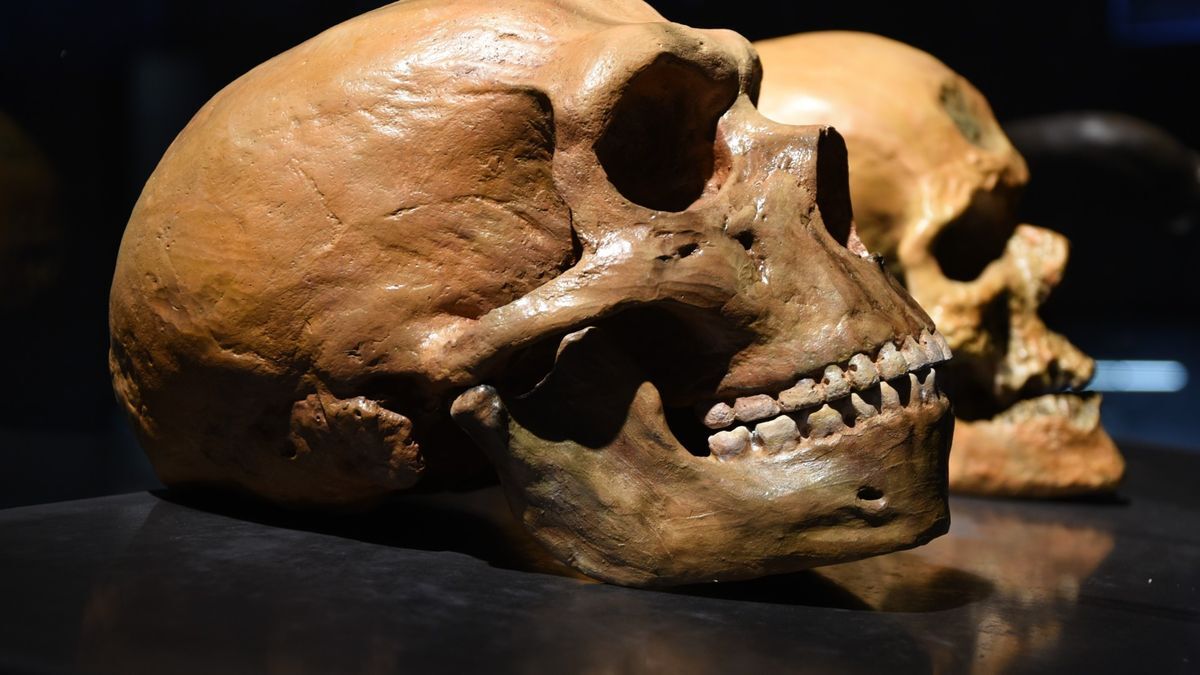
Are Neanderthals and Homo sapiens the same species?

Neanderthals, which disappeared from the archaeological record roughly 40,000 years ago, have long been considered our closest evolutionary relatives. But almost since the first discovery of Neanderthal remains in the 1800s, scientists have been arguing over whether Neanderthals constitute their own species or if they're simply a subset of our own species, Homo sapiens, that has since gone extinct.

So what does the science say? In particular, what does the genetic evidence, which didn't exist back when many early hominins were first discovered, show?

Are Neanderthals and Homo sapiens the same species?https://www.livescience.com/archaeology/are-neanderthals-and-homo-sapiens-the-same-speciesOpen linkView original on lemmy.world
ukcasual·UKCasualbyGreyShack

Friday: Friendly? Freatening? Freaky? How's it going?

I went out for a curry with some friends last night, have a fairly straightforward day at work today then a pizza this evening and have a day booked off on Monday: I have some DIY lined up over the weekend.

Should be a good showing of the Perseid meteor shower this weekend too. It peaks tomorrow, but it looks like it'll be cloudy. I might spend a bit of time in the garden this evening though, since it is supposed to be clear, and see if I can spot any.

View original on lemmy.world
ukcasual·UKCasualbyGreyShack

Friday fread

Kickin' in the front seat or sittin' in the back seat: which is it today folks?

Workwise, it should be ok today, then - rain permitting - I have a bat monitoring session this evening. That might be pushed to next weekend though (I'd get to watch the Perseids at the same time, if it was, by the look of it).

And then out to an open air production of A Winter's Tale tomorrow night - also rain permitting and the forecast is currently saying it won't.

What have you got lined up?

View original on lemmy.world