
The 2000 year old Roman marine concrete at Caesarea is not degrading it is actively curing and growing stronger in the ocean
When the Swedish warship Vasa sank in Stockholm harbor in August 1628 it was basically a massive failure of naval infrastructure. King Gustav II Adolf commissioned it as a flagship but it was built far too narrow and top heavy for the amount of carved wooden propaganda attached to the hull. It rolled over and went down barely 1300 meters into its maiden voyage.
Vasa historically vital is what the local geography did to the physical hardware. In standard open ocean water wood boring shipworms will consume an oak hull within a few decades. But the Baltic Sea has restricted saltwater inflow and massive freshwater river runoff. The salinity drops too low for the mollusks to survive.
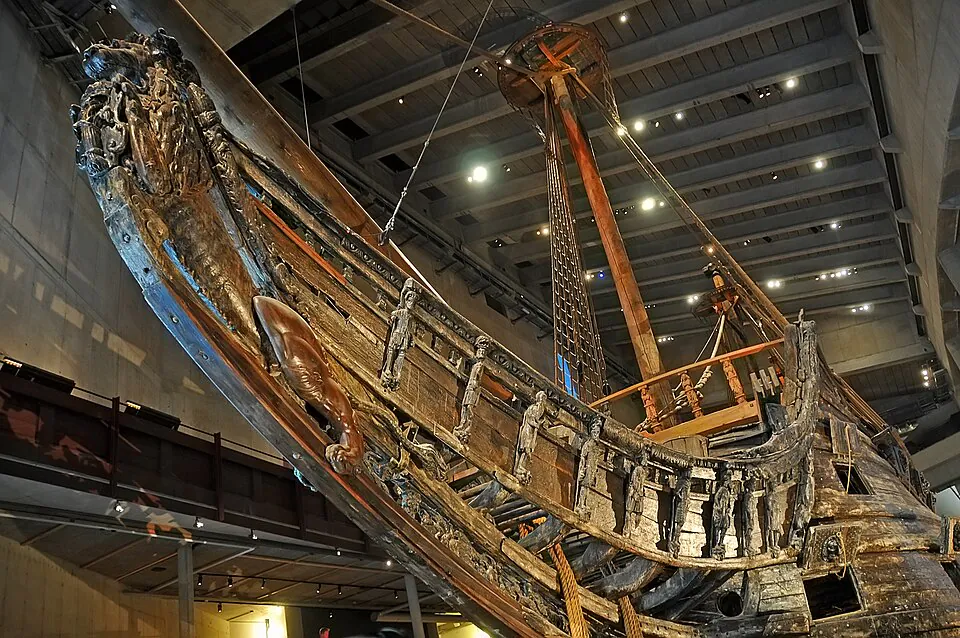
water chemistry essentially acted as a geographic preservation vault. When salvage crews raised the hull in 1961 this two tonne carved oak lion figurehead was almost entirely intact. It proves that a wrecks specific chemical environment does just as much work as human effort in deciding what historical hardware survives.
 https://thehistoricalinsights.page/2026/09/most-valuable-shipwreck-artifacts.htmlOpen linkView original on lemmy.world
1 reply
Post title doesn't match the article.