

SpaceX vaporizes 260 Starlink satellites in six months using Earth's atmosphere
Starlink burns multiple retired satellites daily from its over 10,000-strong constellation
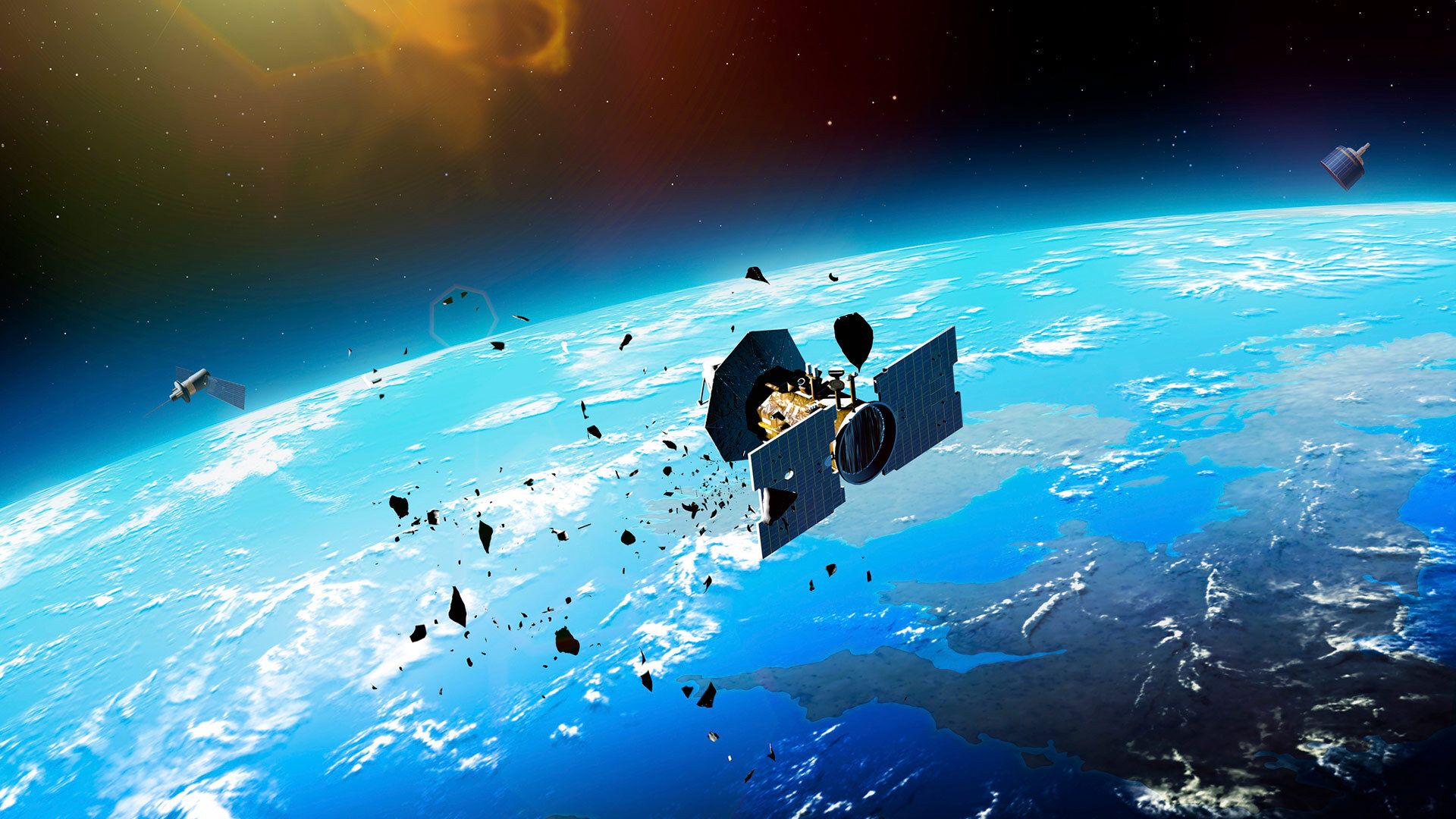 https://www.tomshardware.com/tech-industry/space/spacex-vaporizes-260-starlink-satellites-in-six-months-using-earths-atmosphere-new-environmental-concerns-emerge-over-burning-2-700-pound-orbital-data-centers-fcc-seeks-to-exempt-satellites-from-regulationsOpen linkView original on lemmy.zip
38 replies
So that's 148,980 to 325,000 kilograms of electronics burned. Literally hundreds of tons of e-waste being incinerated by single corporation in just half a year.
They've also been shown to have a not insignificant impact on the ozone. We're so fucked
Does puncturing through our upper atmosphere during escape have any non insignificant effects? I've seen some of those videos of launches at night (when the solar wind lights up everything) and it sure looks like we are burning holes in our ozone layer when we do that. Just asking you cause you seem somewhat knowledgeable.
Okay so I'm just into chemistry and astronomy as a hobby because I love learning, no expert. My understanding though.
The launches definitely aren't great but they're actually not the biggest issue. The problem is the satellites, when they're deorbited, generate 50+ lbs of aluminum oxide which just floats on the upper atmosphere for years (like 30 years). Aluminum oxide is an especially potent catalyst for ozone depletion. The mega constellations that Musk wants would require multiple satellites to be deorbited daily, quickly piling up the aluminum oxide. The low orbit internet satellites are relatively short lived. So he wants either Kessler syndrome or enough aluminum oxide to eat the ozone in a year
At least we can have the ctharsis of staking them out in the sun and watching them burn like the vampires they are.
The increased frequency of rocket launches also hurts ozone from what I read in the studies done on satellite burn ups.
That's a lot of electronics waste. Estimates for 2025 e-waste into landfills was around 65 million tons, and it continues to rise each year. It's not an either/or, we can complain about both, but the scale difference makes the first seem a bit less dramatic. We should do something about our throwaway society.
I work in IT and am resposible for e-recycle runs. I take the laptops home, re install windows, and give them away free to any poor person i come across.
Not just incinerated, incinerate red in the upper atmosphere while directly heating it.
They burn up from friction, it's not just the flames the whole process is heating the planet and who knows how many things it's fucking up we haven't noticed before.
But the most important bit is if they don't know how to get them down, they need to stop sending them up. It's not rocket appliances
You're not crashing the entire rocket, just a tiny bit of it. Also, generating direct energy has never been a climate change issue, it's the byproducts of that generating that are fucking us up.
As I said, only the energy of the satellite, not the entire rocket, which is a miniscule fraction of the energy the launch used.
Also pointing out that it really doesn't matter, in terms of energy, potential or otherwise. It's only the physical byproducts that can have any major impact.
Hundreds of tons of random natural space dust hit the atmosphere daily
Space dust has a different composition to artificial satellites however
Are you sure bout that?
Yeah. Look it up.
Troll harder, "Steve".
More than a hundred tons of meteors daily. Many meteors are made up of heavy metals. Iron. Nickel. And so forth.
And nature emits over 90% of the CO2 going into our atmosphere, so why can't I heat my house with coal?
I imagine most of that weight isn't the actual electronics, but the housing.
The housing isn't great to be burning either.
https://cires.colorado.edu/news/within-15-years-plummeting-satellites-could-release-enough-aluminum-alter-winds-temp
I have a feeling if I lit truck load of old computers on fire in a quarry or something, arguing "When you think about it most of the e-waste was just metal PC cases so it doesn't count" would not fly in court.
That was not the point of my post.
What was then?
Just that the number may be quite inflated, when referring to electronics. It's still bad. Especially as someone else pointed out that the housing may be problematic as well.
I'm so glad the FCC keeps giving them money for rural broadband grants instead of giving more to local PUDs. It warms my soul to know that tons of electronics are getting unevenly burned in our atmosphere.
I'm pretty sure that de-orbiting and incinerating the satellites cleans up space junk and prevents Kessler syndrome. Launching that constellation into space in the first place, on the other hand...
De-orbiting space junk is exactly akin to Samsung starting a recycling program where they just take everything and light it on fire.
Sure it does. Doesn't mean this is good for anyone.
This is how they were designed out of the gate. This isn’t a new problem. This was their solution from day 1.
If I recall correctly, NASA said this was bad for the ozone layer. But who cares, let's give more money to the richest people!
So, we're breathing in hundreds of thousands of pounds of vaporized e-waste pretty much constantly?
Fucking great, thanks.
Not just us! Also the dolphins and terns. Everything else is okay tho
Well, as long as we don't take a tern for the worse.
Don't look up
Just wait until there's too many and they bounce off each other until there's nothing left but space debris, preventing the launch of more.
That is literally impossible in low earth orbit.
It has been a concern for many years, not aware of changes in thoughts on it.
https://en.wikipedia.org/wiki/Kessler_syndrome