
Posts
Paged out! released its 9th issue
The 9th issue of the Paged out! magazine released a couple of days ago. I'd say that the stand out topic in this issue is the cybersecurity industry and reflections about it.
As always, there are brilliant illustrations in this issue. Please do yourself a favor and look through the pages.
Rediscovering the Handcart
Another banger from the Low Tech Magazine. This time : the trusty handcart.
 https://solar.lowtechmagazine.com/2026/04/rediscovering-the-handcart/Open linkView original on slrpnk.net
What are your thoughts on "Just write."?
The simple advice "Just write." is dished out plentifully in writing discussion boards (especially those frequented by many aspiring writers).
Although it can be hard to hear for a beginner, I believe it's worth internalizing. It is relatively easy to come up with excuses for not writing. What's hard is writing despite it all. Being able to do so is invaluable.
What are your thoughts on this mantra? Criticisms? Perspectives? Stories? I'd like to know.
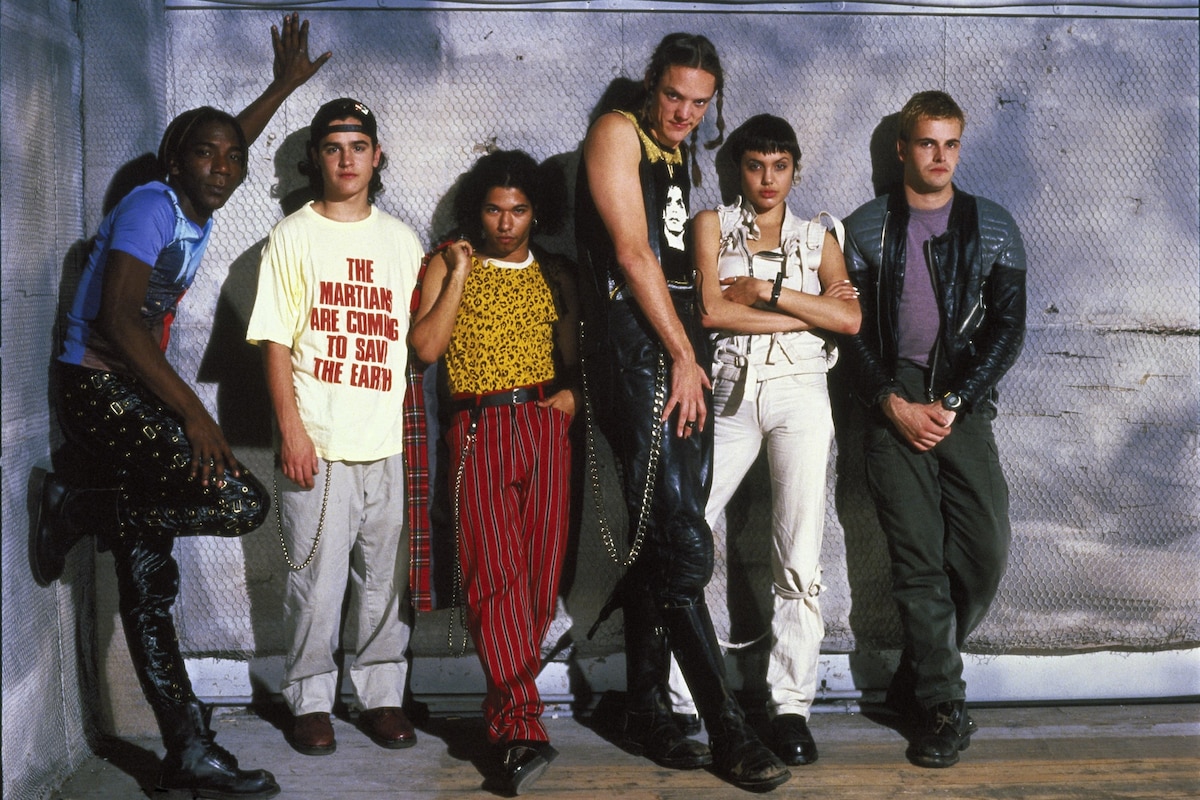
Hackers: Democracy's last line of cyber defense
One way to push back [against authoritarianism] is to bundle tools and techniques that allow oppressed communities to communicate ideas and data beyond the reach of disruption, censorship, or control by those in power. This puts some of that power back in the hands of the powerless. Arsenals of democracy, if you will.
 https://www.theregister.com/2026/03/10/democratizing_security_opinion/Open linkView original on slrpnk.net
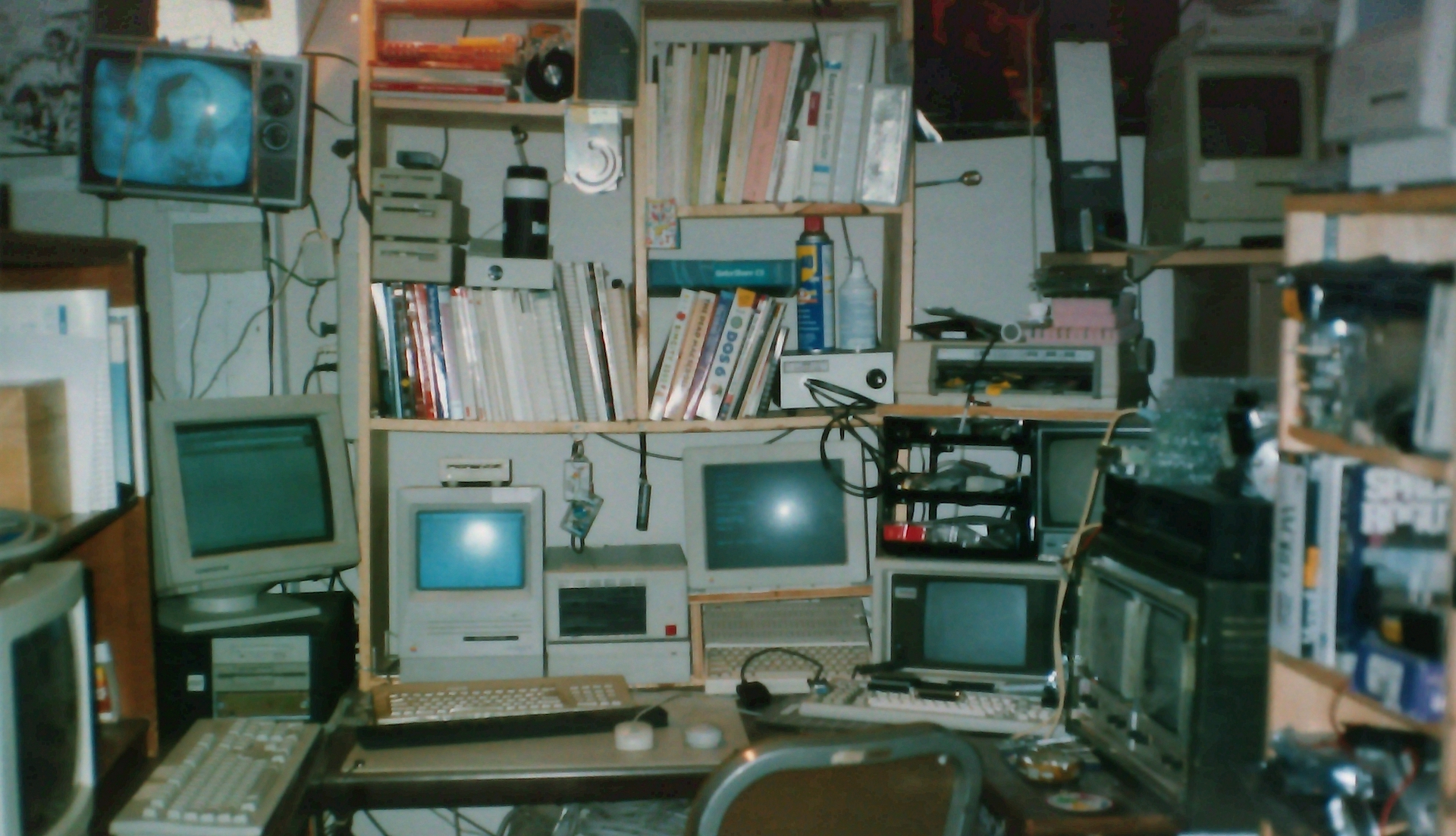
Phreaks and l33ts: Inside the early ‘90s tech scene that created L0pht, the legendary hackerspace
The online world of the late ’80s and early ’90s was one of exploration and learning. But it was also one of not damaging things, of following the outdoor explorer mantra of “leave no trace.” The norm was that if you gained access to the system, it was OK to look around, to explore, but it was not OK to cause damage or even a disruption in service. You were there to learn.
Sharing was considered an important part of that community, [...] While sharing might have been seen as a way to help someone it was often done as a way to prove “eliteness” to others
In some ways, early hacker culture seems similar to solarpunk / anarchism.
 https://cyberscoop.com/boston-l0pht-hackers-tech-scene/Open linkView original on slrpnk.net
Renowned online cybersec puzzle: Not Pr0n
This is an online puzzle game. According to its creator, it's the "hardest riddle available on the internet". ::: spoiler spoiler A web browser with developer tools is required :::
Pseudonyms or real names
Here's an article written by skud arguing against someone on Hacker News who suggested usage of real names be enforced.
Skud has written extensively on the subject, and has been cited all over the place. Notably, they're mentioned in this EFF article:
https://www.eff.org/deeplinks/2011/07/case-pseudonyms
And they're cited by this Op Ed published in the Communications of the ACM:
https://cacm.acm.org/opinion/the-politics-of-real-names/
I'm reminded of that Hackers (1995) quote:
I need a handle, man. I don't have an identity until I have a handle.
What's you opinion on the matter? Do you think everyone should be using pseudonyms for security? Do you think it'd be better that everyone use their real names online? Why or why not?
 https://geekfeminismdotorg.wordpress.com/2010/06/10/hacker-news-and-pseudonymity/Open linkView original on slrpnk.net
The EFF's Tor University Challenge - Run a Tor relay from your university
It's the kind of project my uni would never dare touch, as it's quite conservative, unfortunately.
 https://toruniversity.eff.org/Open linkView original on slrpnk.net
Hacker Documentary: Unauthorized Access by Annaliza Savage [1994]
Great reporting. Worth watching today.
Tech Companies Shouldn’t Be Bullied Into Doing Surveillance
The US government is acting as a mafia henchman, coming to collect from big tech companies what they are due after having given them so much (at the expense of the American citizen). In return for all it has provided to them, the gov wants the tech giants to spy on US citizens on its behalf.
 https://www.eff.org/deeplinks/2026/02/tech-companies-shouldnt-be-bullied-doing-surveillanceOpen linkView original on slrpnk.net
Page out! released its 8th issue
The latest release of the Paged out! magazine released last week. In this issue: stuff about large language models, an article about query-based compilers which has fired some discussions on the orange website, neat coding theory articles, discussions about telegram/signal, wonderful art (as always), cybersec articles, and more.
I'm having a lot of trouble picking back up where I left off last week. How do you do it?
What happens between you sitting down in front of the computer and you beginning to add words to your work?
I suppose a part of my difficulty is tied to lack of motivation, but a big part of it is not really knowing what to do next after I've opened up my text again.

Why disabled people are particularly vulnerable during power outages — Yale Climate Connections
cross-posted from: https://slrpnk.net/post/34269256
This article served as a reminder, for me, that in the event of a disaster it's crucial to know about the needs of your neighbours. Therefore, it's important to connect with your neighbours before disaster, as a form of preparedness. I feel that it's a quite radical thing to do these days. Another upside is that it's fun to make new friends 😁
 https://yaleclimateconnections.org/2026/02/why-disabled-people-are-particularly-vulnerable-during-power-outages/Open linkView original on slrpnk.net
Why disabled people are particularly vulnerable during power outages — Yale Climate Connections
This article served as a reminder, for me, that in the event of a disaster it's crucial to know about the needs of your neighbours. Therefore, it's important to connect with your neighbours before disaster, as a form of preparedness. I feel that it's a quite radical thing to do these days. Another upside is that it's fun to make new friends 😁
 https://yaleclimateconnections.org/2026/02/why-disabled-people-are-particularly-vulnerable-during-power-outages/Open linkView original on slrpnk.net
5 Lessons from "100 Ways to Improve Your Writing" by Gary Provost
In this article, Hassan Osman curates 5 excerpts from Gary Provost's "100 Ways to Improve Your Writing". You can put into practice the presented advice when line editing . I especially appreciate how Provost, through Osman, reminded me that sentence length and clause order emphasize parts of a text.
I came across this advice once before, when watching The Craft of Writing Effectively, a talk given by Lawrence McEnerney, director of the University of Chicago's writing program. Sidenote: I can't recommend that talk enough.
 https://www.writerontheside.com/100-ways-to-improve-your-writing-gary-provost/Open linkView original on slrpnk.net