I bought several of these beer shanks back in 2015. I took it apart recently to clean.
Since the description says it's stainless steel I figured I could clean the rust off of the barb insert. Looks like it wasn't made of stainless steel.
Should I just reuse this thing or get a new one? If so I need the specs on this part so I will know what I need to buy.
Thanks for any help you can provide.
EDIT #1:
Would this be a suitable replacement?
LitKiwi 2PCS Keg Coupler Barb Connector,Stainless Steel 304 Beer Kegerator Sankey Couplers,Hex Nut 5/8"G Thread x 1/4" Barb Beer Line Tailpiece Nipple Fitting with Sealing Gasket Washer https://a.co/d/g6HhP2c
EDIT #2:
I emailed the customer support at MoreBeer and I got this response. They have great customer service.
Hi Casey,
Thanks for reaching out. This looks like a standard shank tailpiece. Here is a straight version, along with a curved version, in case it makes things easier.
Feel free to send me the invoice number after you order. I'm happy to refund the shipping cost for the inconvenience. Thanks!
Cheers!
Zack
Zachary Marin
Customer Service Representative | MoreFlavor! Inc. | 1-800-600-0033
Hours: Mon - Wed, Fri | 7:00 am PST - 4:00 pm P
Visit Our Sites
MoreBeer.com, MoreBeerPro.com
MoreWine.com, MoreWinePro.com
BrewmasterWholesale.com
I'm not sure where the right place to post this would be, but here goes.
I bought this DW745 Type 2 saw off of Facebook Marketplace. I think it was abused. I replaced both of the elevating shafts (5140100-04 & 5140100-05). I also had to replace both of the bevel gears (5140061-65).
The aluminum housing seems to be okay and the lifting shafts move in and out without much resistance. I'm still getting this chunky movement when I raise and lower the blade.
I'm looking for advice before I go though the whole process of replacing the entire aluminum housing on the motor.
I'm not sure where the right place to post this would be, but here goes.
I bought this DW745 Type 2 saw off of Facebook Marketplace. I think it was abused. I replaced both of the elevating shafts (5140100-04 Diagram # 82 & 5140100-05 Diagram # 84). I also had to replace both of the bevel gears (5140061-65 Diagram # 56).
The aluminum housing seems to be okay and the lifting shafts move in and out without much resistance. I'm still getting this chunky movement when I raise and lower the blade.
I'm looking for advice before I go though the whole process of replacing the entire aluminum housing (Gear Case A25607 Diagram # 213) on the motor.
I know I can send soil samples to my local university extension office for testing, but how do I test soil for glyphosate-based herbicides, lead, arsenic, and other contaminates?
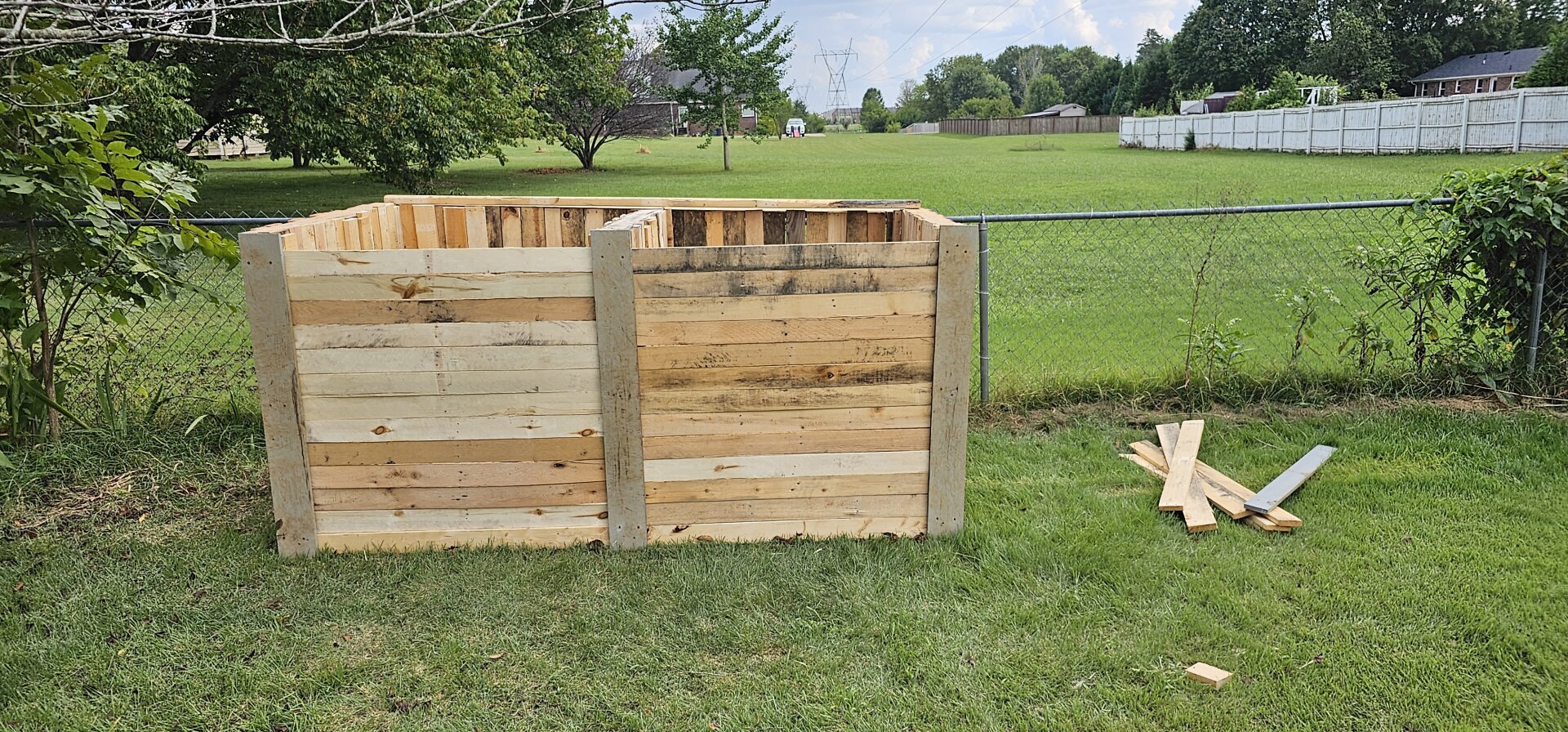
As a citizen scientist I'm about to get into composting more on my property and would like to know more.
I know I can send soil samples to my local university extension office for testing, but how do I test soil for glyphosate-based herbicides, lead, arsenic, and other contaminates?
As a citizen scientist I'm about to get into composting more on my property and would like to know more.
I know I can send soil samples to my local university extension office for testing, but how do I test soil for glyphosate-based herbicides, lead, arsenic, and other contaminates?
As a citizen scientist I'm about to get into composting more on my property and would like to know more.
I know I can send soil samples to my local university extension office for testing, but how do I test soil for glyphosate-based herbicides, lead, arsenic, and other contaminates?
As a citizen scientist I'm about to get into composting more on my property and would like to know more.