Spyke

Posts

europe·Europeby0x815

Putin’s presidential aircraft, funds were used to deport children from occupied Ukrainian territories, stripping them of Ukrainian identity, and placing them with Russian families, report says

Russia’s Presidential aircraft and funds were used in a program deporting children from occupied Ukrainian territories, stripping them of Ukrainian identity, and placing them with Russian families, concludes a report by Yale University’s School of Public Health.

The study identifies 314 Ukrainian children taken to Russia in the early months of Vladimir Putin’s invasion. It concludes that Putin and senior Kremlin officials “intentionally and directly” pursued a “systematic program of coerced adoption and fostering”. The evidence includes verified, leaked Russian documents, with direct orders from senior Russian officials — including Putin — to carry out the program.

The assessment bolsters the International Criminal Court arrest warrant, issued in March 2023, for Putin and Russia’s “Children’s Rights” Commissioner Maria Lvova-Belova over the deportations.

Nathaniel Raymond, the Executive Director of Yale’s Humanitarian Research Lab, will present the findings to the UN Security Council on Wednesday.

Raymond explained that the report proved “the deportation of Ukraine’s children is part of a systematic, Kremlin-led program”. He said the evidence supports additional charges by the ICC against Putin.

“It reveals a higher level of crime than first understood,” the Research Lab summarizes.

Ukraine officials say they have confirmed the forced transfer of almost 20,000 children to Russia or Russian-occupied territory, and around 6,000 are in a network of re-education camps. They add that the actual number is likely to be far higher.

View original on feddit.org
38
china·Chinaby0x815

China’s surveillance state has ensured peace and order. Yet it appears ill-equipped to prevent people from going on violent rampages that are on the rise, pointing to deeper underlying social tensions

Archived link

Summary

  • Deadly rampages are on the rise in China, including recent vehicle attacks and stabbings.
  • These assaults are seen as acts of personal revenge against an unjust society; social exclusion and lack of access to help mechanisms are considered as causes.
  • Growing economic hardships and a narrow definition of success contribute to discontent.

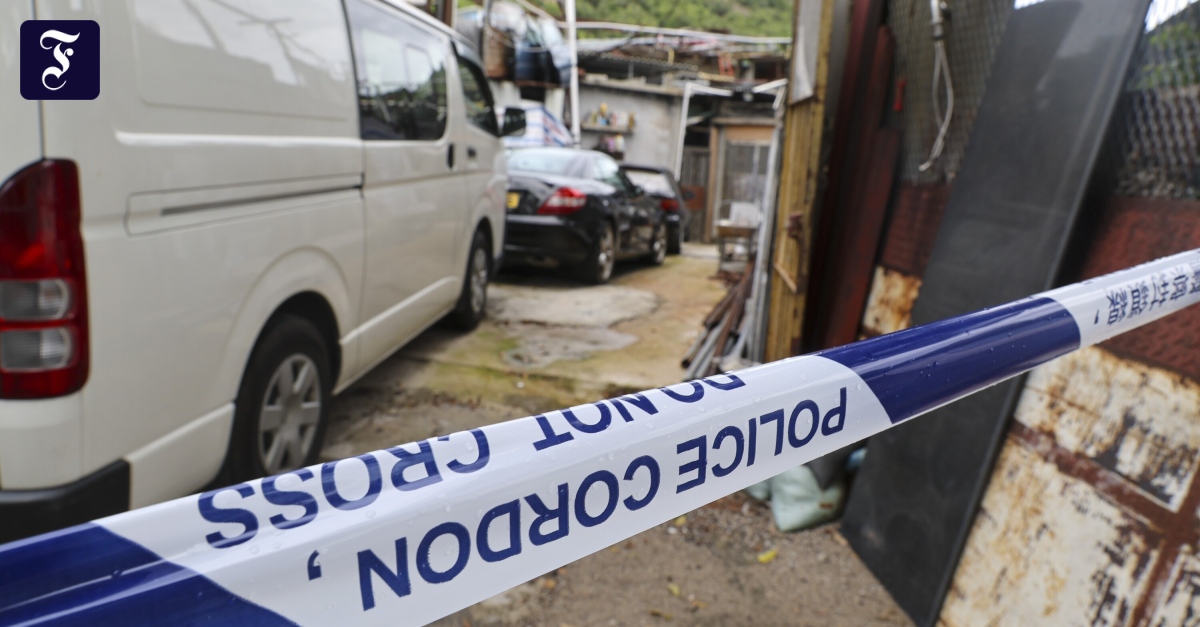
This November alone, at least three men carried out deadly attacks in China. A 62-year-old drove his SUV into a crowd, killing 35 people. A 21-year-old vocational student fatally stabbed eight women in his school’s female dormitory. Another driver plowed into a group of schoolchildren, leaving several injured. On Thursday, unverified reports and videos on social media pointed to yet another incident involving a truck, though official confirmation is still pending.

Such violent acts are becoming more frequent and more severe in China. But they are far from unprecedented. They carry a chilling familiarity, akin to how mass shootings are viewed in the United States. Yet, with China's strict gun laws, attackers often resort to knives, axes or vehicles as their weapons of choice. As is the case in the U.S., schools are a disturbingly common target, and the perpetrators are overwhelmingly male.

[...]

According to a 2019 study by researchers Ma Ziqi and Zhao Yunting from Shanghai, most violent offenders experience some form of societal exclusion before committing their crimes – whether from the job market, the education system or other institutional frameworks. Many lack access to mechanisms that could help them address their grievances, such as legal aid, mediation bodies or public forums. Others are excluded from social benefits, such as unemployment insurance, health care or even the right to enroll their children in urban schools.

[...]

High unemployment rates, an issue identified in the 2019 study, is even more pressing today. Youth unemployment alone is estimated at around 20%. Mediation systems are poorly developed, public discourse is tightly censored, and the legal system often appears arbitrary. Migrant workers – numbering in the millions – face particularly stark challenges as they are treated as second-class citizens in urban areas, excluded from many social benefits.

When the economy is thriving, such systemic flaws often go unnoticed. Economic growth offers the promise of upward mobility, allowing people to improve their living standards through hard work. This implicit «social contract» between the people and the Communist Party – where the Party retains political control in exchange for year-on-year economic betterment – has kept dissent in check.

But the ongoing economic slowdown has left many feeling abandoned. Optimism has given way to a sense of powerlessness. A growing number of Chinese citizens are asking how, after a lifetime of hard work, they find themselves drowning in debt – losing their jobs, their homes and even their families.

[...]

China’s surveillance state has ensured peace and order. Yet it appears ill-equipped to prevent people from going on violent rampages that are on the rise, pointing to deeper underlying social tensionshttps://www.nzz.ch/english/what-is-behind-the-growing-pattern-of-deadly-rampages-in-china-ld.1860054Open linkView original on feddit.org
7
europe·Europeby0x815

UK: Supermarkets that appear to be selling products linked to slave labour in China may be “complicit in putting profits above human rights”, British lawmaker says

Addition: There is also a thread on this topic at https://feddit.org/post/5294871

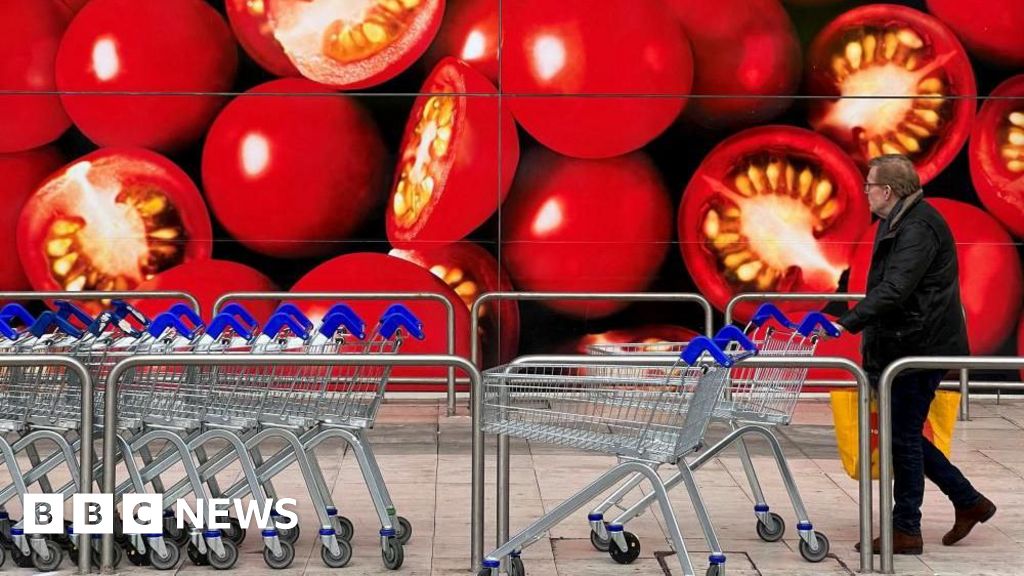
Labour MP Sarah Champion’s comments come after an investigation found that tomato puree sold in four leading UK supermarkets appeared to contain tomatoes produced using harsh and coercive forced labour in Xinjiang.

Some of the products have “Italian” in their name others have “Italian” in their description.

[...]

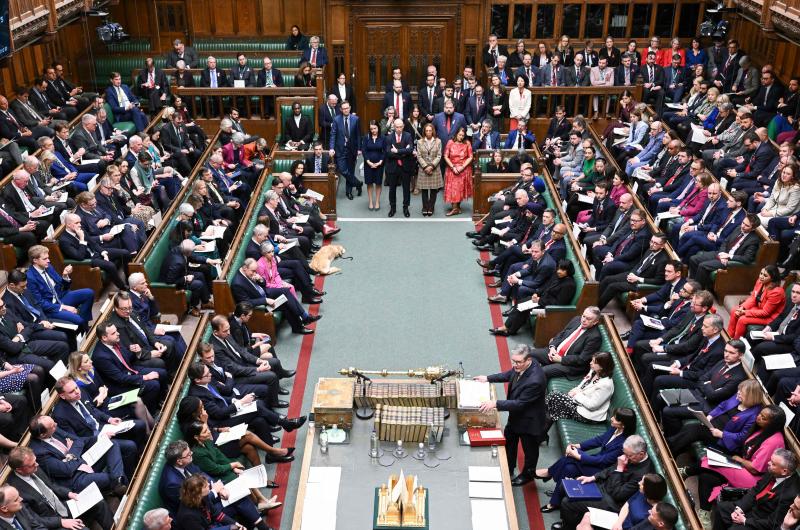
In an urgent question in the House of Commons on Tuesday, Champion described the UK’s product labelling as “weak and confusing".

The chairwoman of the International Development Select Committee also called for consumers to be given more information on which countries the product ingredients come from and stronger legislation to effectively ban the importing of products made with forced labour.

Champion said UK supply chains are "awash with Uighur forced labour products" because human rights due diligence is "optional" for British companies.

"To supermarkets, I say, all of you are complicit in putting profits above human rights and I hope the British public do the right thing and make their mark with their pocket, in their wallet," she said.

[The investigation found that] most Chinese tomatoes come from the Xinjiang region, where their production is linked to forced labour by Uyghur and other largely Muslim minorities.

The UN accuses the Chinese state - which views these minorities as a security risk - of torture and abuse.

[...]

UK: Supermarkets that appear to be selling products linked to slave labour in China may be “complicit in putting profits above human rights”, British lawmaker sayshttps://www.bbc.com/news/articles/ckg8n6416yjoOpen linkView original on feddit.org
65
europe·Europeby0x815

Georgia: Watchdog Details “Inhuman and Degrading Treatment” Against Protesters by Police

Archived link

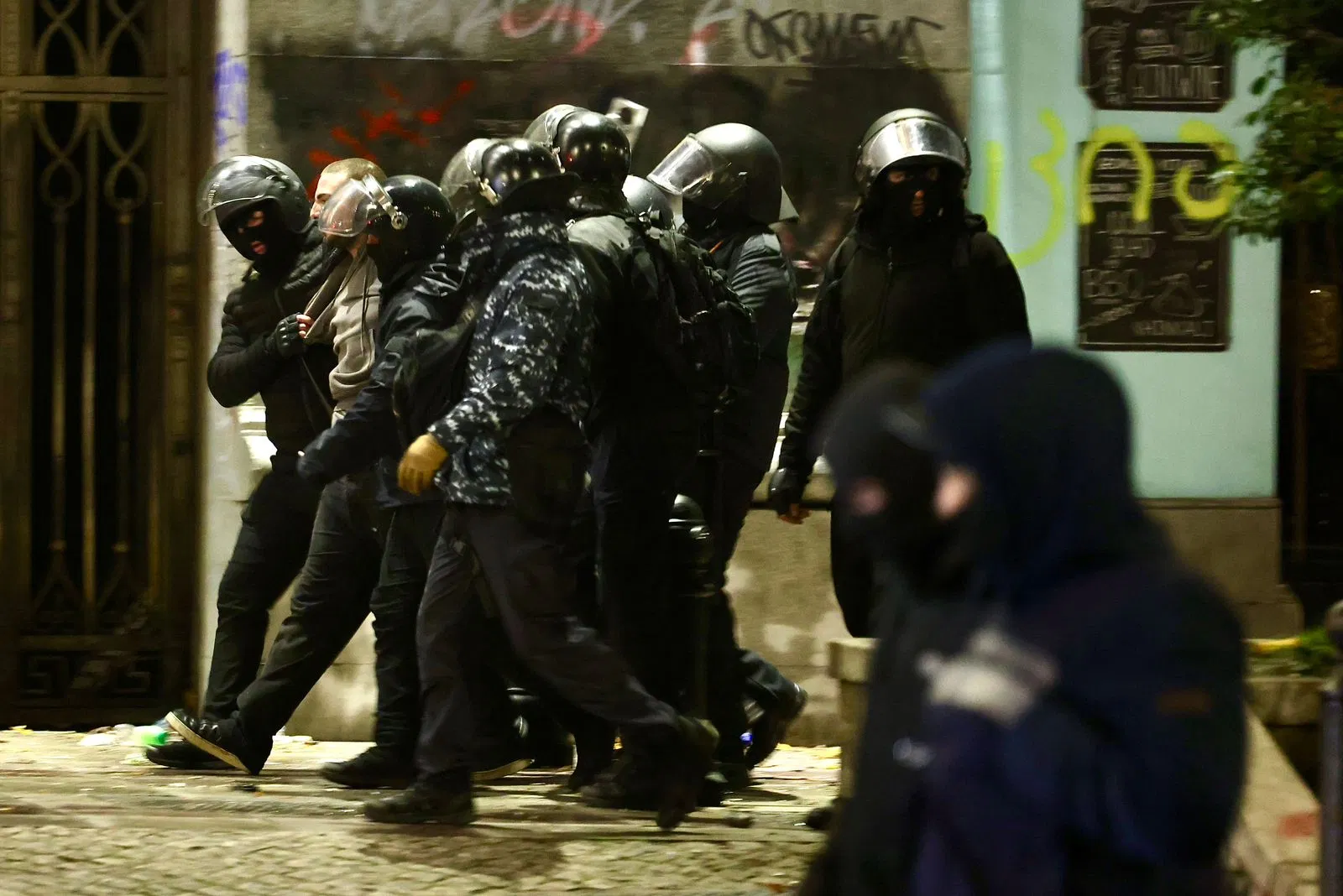
The Georgian Young Lawyers’ Association [GYLA] issued a statement on December 2 saying that according to lawyers from the Legal Aid Network, which unites several human rights watchdogs, most of those arrested on December 2 were severely beaten and subjected to inhumane and degrading treatment. The protests have been ongoing since November 28, following Georgian Dream’s decision to halt accession negotiations with the EU, and against a backdrop of unprecedented police violence.

The statement notes that some of the detainees are currently being held in a medical facility, adding that “they have bruises all over their bodies and facial injuries in the form of broken noses and jaws. All the detainees in the clinic have concussions, multiple bruises and haematomas, and have difficulty moving and speaking.”

The watchdog says that according to the detainees, the police used violence both during and after their arrest. The detainees describe in detail their treatment by the police: “They were mercilessly beaten by at least six members of the Special Branch in a detention minibus. During the beating, the police officers took turns and agreed in advance to break the arms or legs of the detainees. Their superiors instructed them to hit them in the liver and head. While being beaten, the detainees were spat on, cursed and shouted at. The detainees recall the following phrases being thrown at them by police “I’ll stick a baton up your ass”, “Did you like Gvaramia and Khazaradze? [You European, you’re a s***hole, I’ll stick a baton in your back”.

After a long and continuous beating, the minibus was covered in blood”, the detainees recall. During the beating, one of the people was covered in blood. The torture was supervised by a relatively elderly man who made sure that no one died during the beating. Those who got out of the minibus were led one by one through the so-called riot police corridor before being taken to the patrol car.

According to the detainees’ testimonies, the riot police on some occasions removed the detainees’ shoes and many were taken barefoot to the medical facility. The riot police also confiscated the detainees’ mobile phones and asked them to unlock them.

The GYLA says: “We condemn this inhuman and degrading treatment and demand an immediate investigation into each and every crime.”

Georgia: Watchdog Details “Inhuman and Degrading Treatment” Against Protesters by Policehttps://civil.ge/archives/640792Open linkView original on feddit.org
17
china·Chinaby0x815

Japan's fashion giant Uniqlo does not use Xinjiang cotton, boss says

It is the first time chief executive Tadashi Yanai has directly addressed the contentious issue. China is a crucial market for Uniqlo not just for customers but also as a major manufacturing hub.

Xinjiang cotton was once known as some of the best fabric in the world. But it has fallen out of favour after allegations that it is produced using forced labour by people from the Muslim Uyghur minority.

[...]

Many global brands removed products using Xinjiang cotton from their shelves, which led to fierce backlash in China. Brands such as H&M, Nike, Burberry, Esprit and Adidas were boycotted.

Sweden's H&M saw its clothing pulled from major e-commerce stores in China.

At the time, Mr Yanai - who is Japan's richest man - refused to confirm or deny whether Xinjiang cotton was used in Uniqlo clothing, saying he wanted "to be neutral between the US and China".

His decision not to take a side helped Uniqlo to remain popular in China's huge retail market.

But speaking to the BBC in Tokyo about the firm's measures to be more transparent about where the materials in its clothes come from and how they are made, he said: "We’re not using [cotton from Xinjiang]."

"By mentioning which cotton we’re using..." he continued, before pausing and ending his answer with "Actually, it gets too political if I say anymore so let's stop here".

[...]

Retailers like Uniqlo are also facing intense competition from ultra-fast fashion as brands like China's Shein and Temu gain popularity with price-conscious customers.

But Mr Yanai says “I don’t think there’s a future for fast fashion".

"They’re producing clothes without any careful consideration which you only wear for one season. That is a waste of the planet’s resources."

He adds that Uniqlo's strategy is to focus on essential items that can be worn for years.

[...]

Japan's fashion giant Uniqlo does not use Xinjiang cotton, boss sayshttps://www.bbc.com/news/articles/c79zqdl7j2goOpen linkView original on feddit.org
17
china·Chinaby0x815

How a scandal over sanitary pads is shaping feminist activism in China

A string of prominent sanitary pad brands in China have become embroiled in a scandal about the quality of their products. The controversy began in early November when consumers complained that that the advertised lengths of many sanitary pads were misleading.

Then, a few days later, customers discovered that many pads had pH levels similar to textiles such as curtains and tablecloths that do not come into frequent contact with skin, potentially causing irritation or harm to users.

The anger only intensified when ABC, one of the companies at the centre of the controversy, responded dismissively to concerned consumers. ABC emphasised that it was complying with national standards, and reportedly replied to a complaint with: “If you cannot accept it, then you can choose not to buy it”.

Chinese companies have since apologised for their sub-par products, and ABC has even said that it was “deeply sorry” for its “inappropriate” response. But for many women in China, this scandal is about more than just defective products. It is part of a troubling pattern in which women’s health and dignity is blatantly disregarded.

[...]

How a scandal over sanitary pads is shaping feminist activism in Chinahttps://theconversation.com/how-a-scandal-over-sanitary-pads-is-shaping-feminist-activism-in-china-244615Open linkView original on feddit.org
48
dach·DACH - Deutschsprachige Community für Deutschland, Österreich, Schweizby0x815

Soziale Spaltung in China: Wo wütende Bürger Beamte ermorden

Archiv-Link

[...]

Der Mord an einer Beamtin in der Kommunalverwaltung im chinesischen Nantong ist einer von zahlreichen Fällen seit dem vergangenen Sommer, bei denen aufgebrachte Chinesen Beamte und andere Provinzvertreter der Regierung getötet haben. Für viele Chinesen ist das Leben schwerer ge­worden seit den drakonischen Corona-Maßnahmen, dem Platzen der Immo­bilienblase und dem Wirtschaftsabschwung. Zudem legt die Zentralre­gie­rung den Fokus auf die Industrie­pro­duktion und den Export, weniger auf das finanzielle Wohl­ergehen des Volkes. Die Inlandsnachfrage ist schwach, das Vermögen der großen Mehrheit der Haushalte schrumpft.

Das trifft insbesondere zahlreiche Provinzen der Volksrepublik, deren Verwaltungen ebenfalls sparen müssen. Eine Gemeindemitarbeiterin der Provinz Zhejiang berichtete im Oktober in einer Wochenzeitung von den Finanzschwierigkeiten der Behörden. So gebe es Vorgaben, die Zahl der Sozialhilfeempfänger zu verringern. In einem Dorf, für das sie zuständig sei, wurde etwa die Zahl der Beihilfeempfänger von dreißig auf zwanzig reduziert.

Andernorts konfiszieren Lokalverwaltungen Wohngebäude, worauf es in der Provinz Shanxi zu einem weiteren Mord an einem ranghohen Beamten kam. Im Juni wurde der Chef der örtlichen Konsultativkonferenz des Qin-Distrikts, Guo Jianyu, vor seiner eigenen Wohnung von einem Mann erstochen, dessen Wohnhaus von den Behörden abgerissen worden war. Guo war offiziell für die Abrissarbeiten in dem Bezirk zuständig. Eine Kompensation hatte der Täter nicht erhalten.

Beamte führen nur noch Befehle aus

Laut örtlichen Medien hatte es sich um ein altes, baufälliges Gebäude gehandelt, das nach dem Konkurs einer Getreidefabrik vor zwei Jahrzehnten aufgegeben worden war. Über die Jahre hatte der spätere Täter An Yaohong das alte Gebäude repariert, mehrere Tausend Euro in­vestiert und zusätzlich zu seiner eigenen Wohnung eine Reihe weiterer Zimmer eingebaut, möbliert und anschließend vermietet. Bis die Lokalbehörden das Gebäude vor wenigen Monaten abreißen ließen, weil sie das Gelände anderweitig zu Geld machen wollten. An Yaohong konnte seinen Anspruch auf das Gebäude nicht belegen, verlor dadurch seine Wohnung und alle seine Einkünfte.

Der F.A.Z sind zehn ähnliche Fälle bekannt, über die in Lokalzeitungen und in den sozialen Medien berichtet wurde. Die Dunkelziffer dürfte weit höher sein. „Wenn gewöhnliche Chinesen von Regierungsbeamten ungerecht behandelt wurden, hatten sie traditionell Wege, sich zu beschweren“, sagt Victor Shih, Professor für chinesische Politik an der University of California in San Diego. „Die Welle der Gewalt gegen Beamte deutet darauf hin, dass einige dieser traditionellen Wege als unwirksam gelten.“

Die Ermächtigung lokaler Parteisekretäre zulasten der Entscheidungsmöglichkeiten lokaler Beamter könnte dazu geführt haben, dass diese Kanäle immer we­niger effektiv seien, fügt Shih hinzu. Die Parteisekretäre haben tendenziell übergeordnete Vorgaben zu erfüllen, deren Spielraum eng ist.

[...]

Da ist die Richterin Wang Jiajia, die im August in Henan von einem Bürger erstochen wurde, der mit ihrem Urteil im Prozess über einen Autounfall nicht zufrieden war. Oder der Bürgermeister Kuang Haijuan in der Provinz Jiangxi, der im September umgebracht wurde, ohne dass die Behörden weitere Informationen zu dem Fall bekannt geben. Da ist der Leiter der städtischen Marktregulierungsbehörde von Zouping namens Miao, der im Juli wegen „finanzieller Streitigkeiten“ ermordet wurde.

[...]

Xi reagiert mit einem Schlagwort

Der Führung ist die fragile Lage in Teilen der Gesellschaft offensichtlich bekannt.

[...]

„Soziale Stabilität“ ist ein Schlagwort, mit dem die Staatsmedien den Staats- und Parteichef Xi Jinping derzeit wieder häufiger zitieren.

[...]

Schon 2021 hatte der stellvertretende Dekan der Abteilung für öffentliche Verwaltung der einflussreichen Chinesischen Akademie der Sozialwissenschaften darauf hingewiesen, dass das Verhältnis zwischen Beamten und der Öffentlichkeit stark angespannt ist. „Die Beamten an der Basis sind mit übermäßigen ‚Amtspflichten‘ belastet“, schrieb Vizedekan Zhou Shaolai, noch unter dem Eindruck der Corona-Pandemie. „Sie sind ständig damit beschäftigt, Befehle von oben zu erfüllen.“

[...]

Das hat Auswirkungen auf weite Teile der Bevölkerung, für die China kein soziales Sicherheitsnetz aufgebaut hat. Bis auf Weiteres fließt der große Teil der Staatsausgaben in die Industrieproduktion und den Aufbau einer „Festungs­wirtschaft“ zur eigenen Absicherung im Systemkonflikt gegen die USA.

[...]

Chinesische Sozialwissenschaftler warnen vor den Folgen mittlerweile deutlich. „Die weitverbreitete Präsenz einer negativen Stimmung stellt ein latentes po­litisches Risiko dar“, schrieb der Sozialwissenschaftler Han Linxiu im Juli in der akademischen Fachzeitschrift „Sekretär“. In wissenschaftlichen Papieren ist der Freiraum, sich auszudrücken, größer als in den staatlichen Massenmedien. So beklagte Liu die ungleiche Verteilung von Vermögen und Einkommen.

Ein erheblicher Anteil der in Städten lebenden und arbeitenden Landbewohner habe keinen vollständigen Zugang zu hochwertiger städtischer Sozialversicherung und dem Lebensstandard, so Liu, „und innerhalb der Städte besteht eine implizite, auf wirtschaftlichen Faktoren beruhende Spaltung“. Zudem seien Chinas Sozialsysteme unzureichend, „ins­besondere in ländlichen Gebieten, wo Lebensstandard und Sozial­hilfe unterentwickelt sind und hinter den städtischen Standards zurückbleiben, was den Aufstieg weiter erschwert“.

Soziale Spaltung in China: Wo wütende Bürger Beamte ermordenhttps://www.faz.net/aktuell/politik/ausland/china-wo-wuetende-buerger-beamte-ermorden-110131885.htmlOpen linkView original on feddit.org
37
europe·Europeby0x815

European lawmakers urge international community to provide more military support for Ukraine amid the involvement of China and North Korea

  • Pyongyang’s involvement and Russia’s testing of new ballistic missiles in Ukraine mark “a new phase in the war”
  • Call on Beijing to end all military or dual-use assistance given to Russia
  • MEPs ask for more sanctions against sectors of special economic importance for Russia

In a resolution adopted on Thursday (28 November), the European Parliament condemned Russia’s use of North Korean troops against the Ukrainian army and its testing of new ballistic missiles in Ukraine. These recent escalatory steps represent a new phase in the war and a new risk for Europe’s security as a whole, MEPs argue, calling on the EU and Ukraine’s other partners to respond accordingly.

[...]

Further sanctions for countries providing military support to Russia

Denouncing Iran, Belarus and North Korea for their military support of Russia, MEPs urge the EU member states to further strengthen the sanctions regime against these countries. They stress that both Russia’s war of aggression against Ukraine and North Korea’s participation in the war and its nuclear and missile programmes constitute grave threats to the rules-based international order.

Involvement of China

MEPs also call on Beijing to end all military or dual-use assistance it is giving to Russia, adding that a refusal to change course risks seriously affecting bilateral EU-China relations. Instead, China could use its significant influence over North Korea and Russia to help reduce tensions, they say.

[...]

European lawmakers urge international community to provide more military support for Ukraine amid the involvement of China and North Koreahttps://www.europarl.europa.eu/news/en/press-room/20241121IPR25543/more-military-support-for-ukraine-amid-the-involvement-of-china-and-north-koreaOpen linkView original on feddit.org
76
china·Chinaby0x815

China is studying Russia’s sanctions evasion to prepare for Taiwan conflict: Officials report back to Beijing with lessons it can use in the event of war and Western penalties

Archived link

**China has been supporting Russia’s economy since the start of the Ukraine war by buying its oil while supplying it with everything from microelectronics to washing machines.

Meanwhile, Beijing has been getting its own strategic benefit: a real-world case study in how to circumvent Western sanctions.**

An interagency group, set up by China in the months following the full-scale invasion, has studied the impact of sanctions and produced reports regularly for the country’s leadership, according to people familiar with the matter. The goal is to draw lessons about how to mitigate them, particularly in case a conflict over Taiwan prompts the U.S. and its allies to impose similar penalties on China, the people said.

As part of the effort, Chinese officials periodically visit Moscow to meet with the Russian Central Bank, the Finance Ministry and other agencies involved in countering sanctions, the people said.

The Chinese study effort, which hasn’t previously been reported, is emblematic of the new age of economic warfare unleashed by Russia’s invasion of Ukraine, where the lines between economic policy and geopolitical strategy are increasingly blurred. That trend is only likely to be amplified by Donald Trump’s second presidential term, where he plans to turbocharge the use of tariffs as a tool for negotiation and coercion.

[...]

https://www.wsj.com/world/china/china-is-studying-russias-sanctions-evasion-to-prepare-for-taiwan-conflict-5665f508Open linkView original on feddit.org
30
china·Chinaby0x815

Germany's top diplomat accuses China of providing Russia with weapons for its war against Ukraine, threatening peace in Europe ahead of a potentially thorny visit to Beijing

cross-posted from: https://feddit.org/post/5291198

Archived version

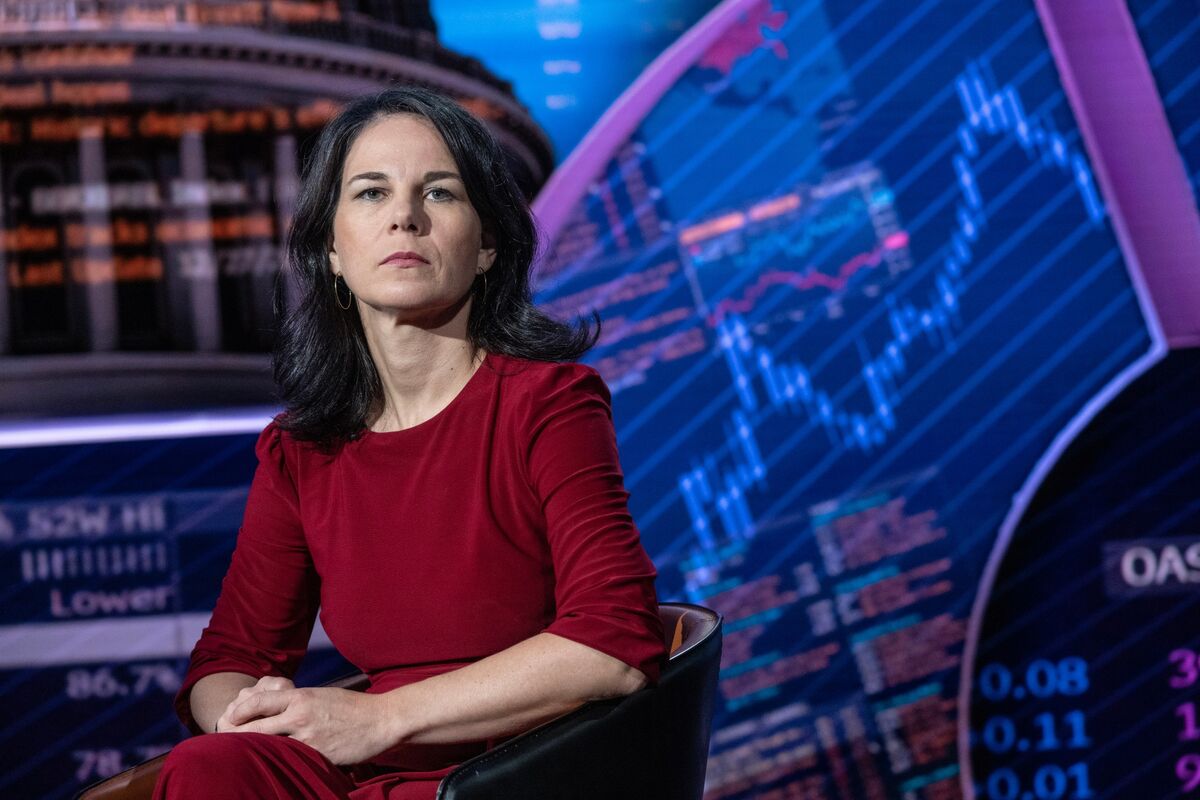
“Instead of taking responsibility for peace and security in the world as a permanent member of the UN Security Council, China is opposing our core European interests with its economic and weapons aid to Russia,” German foreign minister Annalena Baerbock said in an emailed statement before departing Berlin airport on Sunday for her two-day visit to Beijing.

Vladimir “Putin’s brutal war of aggression against Ukraine is a direct threat to our peace. I will also speak in Beijing about the fact that we cannot simply ignore this in our relations with China.”

The European Union is proposing to sanction several Chinese firms that it claims helped Russian companies develop attack drones that were deployed against Ukraine. Baerbock will meet her Chinese counterpart Wang Yi in Beijing to address this issue, her spokesman said. Germany’s top diplomat will also discuss the humanitarian situation in China, as well as EU tariffs against Chinese electric vehicles that were introduced in October.

Germany's top diplomat accuses China of providing Russia with weapons for its war against Ukraine, threatening peace in Europe ahead of a potentially thorny visit to Beijinghttps://www.bloomberg.com/news/articles/2024-12-01/germany-s-top-diplomat-bashes-china-s-weapon-supplies-to-russiaOpen linkView original on feddit.org
11
europe·Europeby0x815

Estonia, Latvia, Lithuania jointly agreed to impose sanctions on Georgian officials who undermine democracy in Georgia

Gabrielius Landsbergis, the Minister of Foreign Affairs of Lithuania announced on December 1, that the three Baltic states – Estonia, Latvia and Lithuania “jointly agreed to impose national sanctions against those who suppressed legitimate protests in Georgia.”

Lithuania’s Foreign Minister added: “Opponents of democracy and violators of human rights are not welcome in our countries.”

[...]

On November 30 The European Parliament members had initiated a letter to Kaja Kallas, the new EU High Representative for Foreign Affairs and Security Policy, urging the EU to impose sanctions on Georgian officials responsible for election fraud, democratic backsliding and the repression of civil society. The letter calls for “immediate action to protect democracy in Georgia” and asks the High Representative to present a proposal for sanctions.

This followed the resolution adopted by the European Parliament on November 28, “On Georgia’s worsening Democratic crisis following the recent parliamentary elections and alleged electoral fraud” which slams the ruling Georgian Dream for the authoritarian shift, condemns the democratic backsliding in Georgia, including as a result of the allegedly rigged elections, proposes a number of steps, such as targeted sanctions against those individuals who contribute to democratic backslide, and calls on the Georgian government to hold new, free and fair elections within one year.

Estonia, Latvia, Lithuania jointly agreed to impose sanctions on Georgian officials who undermine democracy in Georgiahttps://civil.ge/archives/640252Open linkView original on feddit.org
60
dach·DACH - Deutschsprachige Community für Deutschland, Österreich, Schweizby0x815

Sklaverei in Nordkorea: Zwangsarbeit für „Made in China“

Wie eine neue Studie der NGO „Citizens´ Alliance for North Korean Human Rights“ (NKHR) dokumentiert, werden die Gefangenen im „Kyohwaso Nummer 12“ systematisch ausgebeutet, um Textilprodukte für chinesische Firmen herzustellen – Produkte, die potenziell auch nach Europa exportiert werden können. Und damit auch die Kassen des Regimes von Kim Jong Un füllen.

„Wir wollen die weit verbreitete Praxis der Sklaverei in nordkoreanischen Gefangenenlagern aufzeigen. Eine Praxis, die von Nordkorea und China gemeinsam gefördert wird“, sagt die Autorin der Studie, Joanna Hosaniak. Die in Polen gebürtige Aktivistin arbeitet bereits seit mehreren Jahrzehnten als Menschenrechtsaktivistin in Seoul.

[...]

Hosaniak und ihre Kollegen von NKHR haben für ihren Bericht über 25 Kernzeugen interviewt; darunter ehemalige Insassen aus dem Gefangenenlager, aber auch Staatsanwälte, Sicherheits- und Zollbeamte. Sie alle sind vor Jahren bereits aus ihrem Heimatland geflohen und leben wie über 30.000 weitere nordkoreanische Flüchtlinge mittlerweile in Südkorea.

[...]

So liefern chinesische Betriebe Rohmaterialien an die nordkoreanische Sonderwirtschaftszone Rason, welche sich im Dreiländereck mit Russland befindet. Von dort gelangen die Materialien in die Gefängnisse zur Weiterverarbeitung. Die Insassen nähen dann Sportartikel zusammen, Hosen und einfache Jacken. Vor allem aber fertigen sie Perücken und falsche Wimpern – Produkte, die noch im Vorjahr knapp 60 (!) Prozent aller nordkoreanischen Exporte nach China ausgemacht haben. Ein Millionengeschäft fürs Regime.

Lagertote werden in der Nähe verbrannt

Die ehemaligen Insassen hingegen schildern menschenunwürdige Arbeitsbedingungen: Schichten bis zu 20 Stunden, körperliche Misshandlungen durch die Wärter und sogar Vergewaltigungen. Wer die vorgegebenen Produktionsquoten nicht erfüllt habe, dem seien zudem die Nahrungsmittelrationen gekürzt worden.

Wie viele der Zwangsarbeiterinnen und Zwangsarbeiter aus dem „Kyohwaso Nummer 12“ einen frühzeitigen Tod starben, ist nicht bekannt. Sehr wohl jedoch erzählten die Insassen übereinstimmend, dass die Leichen der Lagertoten an einem nahegelegenen Berghang verbrannt wurden, ohne dass ihre Familien davon in Kenntnis gesetzt wurden.

„Einige Zeugen sagten uns, dass der Anblick des Rauchs von diesem Berg der stärkste Grund für sie war, unbedingt überleben zu wollen, um außerhalb des Lagers zu sterben“, sagt Aktivistin Hosaniak.

Textilien „Made in China“

Solch grauenvolle Menschenrechtsverbrechen scheinen aus europäischer Sicht weit entfernt, doch im Zeitalter globaler Lieferketten ist dies ein Trugschluss. Viele der Textilien können ganz legal von den chinesischen Firmen als „Made in China“ angepriesen werden, da sich ihre Produkte nie länger als ein halbes Jahr in Nordkorea befunden haben.

Rechtlich gesehen haben die Konzerne also nur einige Arbeitsschritte „ausgelagert“. So ist es schlussendlich für westliche Firmen nahezu unmöglich zu überprüfen, ob an ihren Waren nicht möglicherweise auch nordkoreanische Zwangsarbeiter beteiligt waren.

Diese Praxis ist durchaus bekannt und hinreichend dokumentiert. Bereits 2017, als innerhalb Chinas die Möglichkeiten für unabhängige Berichterstattung noch größer waren, gelang es der Nachrichtenagentur Reuters, in der Grenzstadt Dandong mit chinesisch-koreanischen Geschäftsmännern zu sprechen.

[...]

Sklaverei in Nordkorea: Zwangsarbeit für „Made in China“https://taz.de/Sklaverei-in-Nordkorea/!6053742&sOpen linkView original on feddit.org
33
europe·Europeby0x815

Germany's top diplomat accuses China of providing Russia with weapons for its war against Ukraine, threatening peace in Europe ahead of a potentially thorny visit to Beijing

Archived version

“Instead of taking responsibility for peace and security in the world as a permanent member of the UN Security Council, China is opposing our core European interests with its economic and weapons aid to Russia,” German foreign minister Annalena Baerbock said in an emailed statement before departing Berlin airport on Sunday for her two-day visit to Beijing.

Vladimir “Putin’s brutal war of aggression against Ukraine is a direct threat to our peace. I will also speak in Beijing about the fact that we cannot simply ignore this in our relations with China.”

The European Union is proposing to sanction several Chinese firms that it claims helped Russian companies develop attack drones that were deployed against Ukraine. Baerbock will meet her Chinese counterpart Wang Yi in Beijing to address this issue, her spokesman said. Germany’s top diplomat will also discuss the humanitarian situation in China, as well as EU tariffs against Chinese electric vehicles that were introduced in October.

Germany's top diplomat accuses China of providing Russia with weapons for its war against Ukraine, threatening peace in Europe ahead of a potentially thorny visit to Beijinghttps://www.bloomberg.com/news/articles/2024-12-01/germany-s-top-diplomat-bashes-china-s-weapon-supplies-to-russiaOpen linkView original on feddit.org
168
unitedkingdom·United Kingdomby0x815

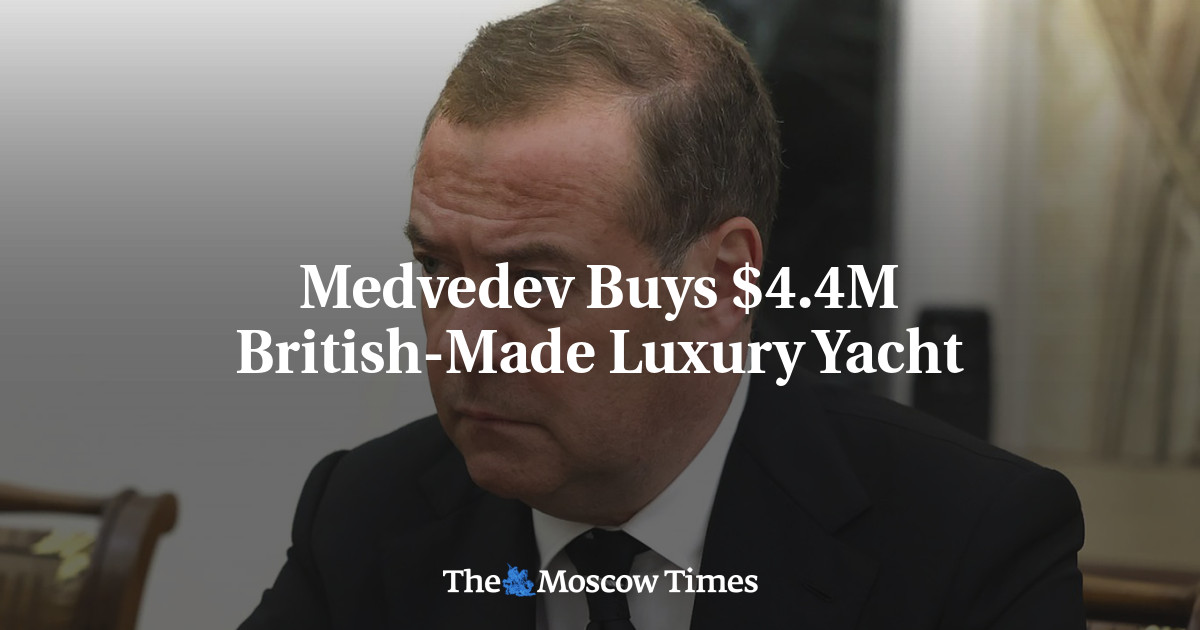
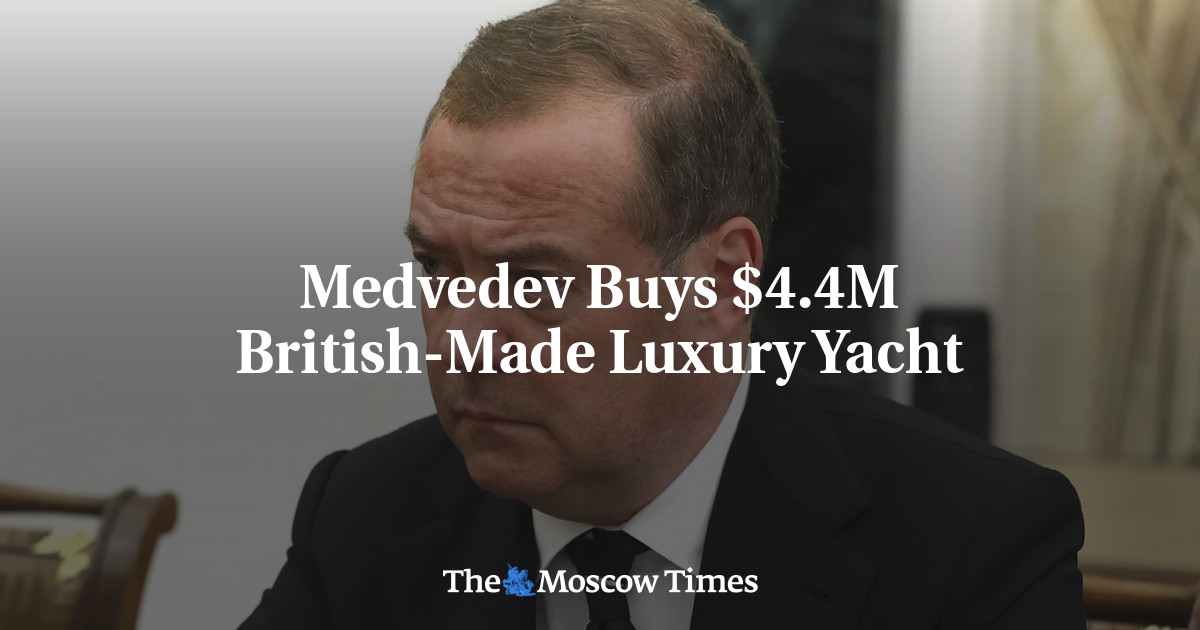
Former Russian President Medvedev buys 3.5-million-pound luxury yacht made in UK

cross-posted from: https://feddit.org/post/5231417

Archived link

Former Russian President Dmitry Medvedev, now deputy chair of Russia’s Security Council and a vocal critic of Western nations, has reportedly purchased a 3.5-million-pound (USD4.4 million, EUR4.2 million) luxury yacht manufactured in the United Kingdom.

The vessel, named Hurry Up, was produced by Plymouth-based Princess Yachts in 2024 and imported into Russia through a foundation allegedly linked to Medvedev, according to the investigative outlet The Insider.

The foundation, known as the Foundation for the Support of National Maritime Programs, facilitated the import through a related company, documents reveal.

The foundation is headed by Dmitry Ustratov, an associate of Ilya Yeliseyev, a long-time confidant of Medvedev and overseer of his financial interests.

[...]

Former Russian President Medvedev buys 3.5-million-pound luxury yacht made in UKhttps://www.themoscowtimes.com/2024/11/29/dmitry-medvedev-buys-44mn-british-made-luxury-yacht-a87175Open linkView original on feddit.org
11
europe·Europeby0x815

Former Russian President Medvedev buys 3.5-million-pound luxury yacht made in UK

Archived link

Former Russian President Dmitry Medvedev, now deputy chair of Russia’s Security Council and a vocal critic of Western nations, has reportedly purchased a 3.5-million-pound (USD4.4 million, EUR4.2 million) luxury yacht manufactured in the United Kingdom.

The vessel, named Hurry Up, was produced by Plymouth-based Princess Yachts in 2024 and imported into Russia through a foundation allegedly linked to Medvedev, according to the investigative outlet The Insider.

The foundation, known as the Foundation for the Support of National Maritime Programs, facilitated the import through a related company, documents reveal.

The foundation is headed by Dmitry Ustratov, an associate of Ilya Yeliseyev, a long-time confidant of Medvedev and overseer of his financial interests.

[...]

Former Russian President Medvedev buys 3.5-million-pound luxury yacht made in UKhttps://www.themoscowtimes.com/2024/11/29/dmitry-medvedev-buys-44mn-british-made-luxury-yacht-a87175Open linkView original on feddit.org
67
china·Chinaby0x815

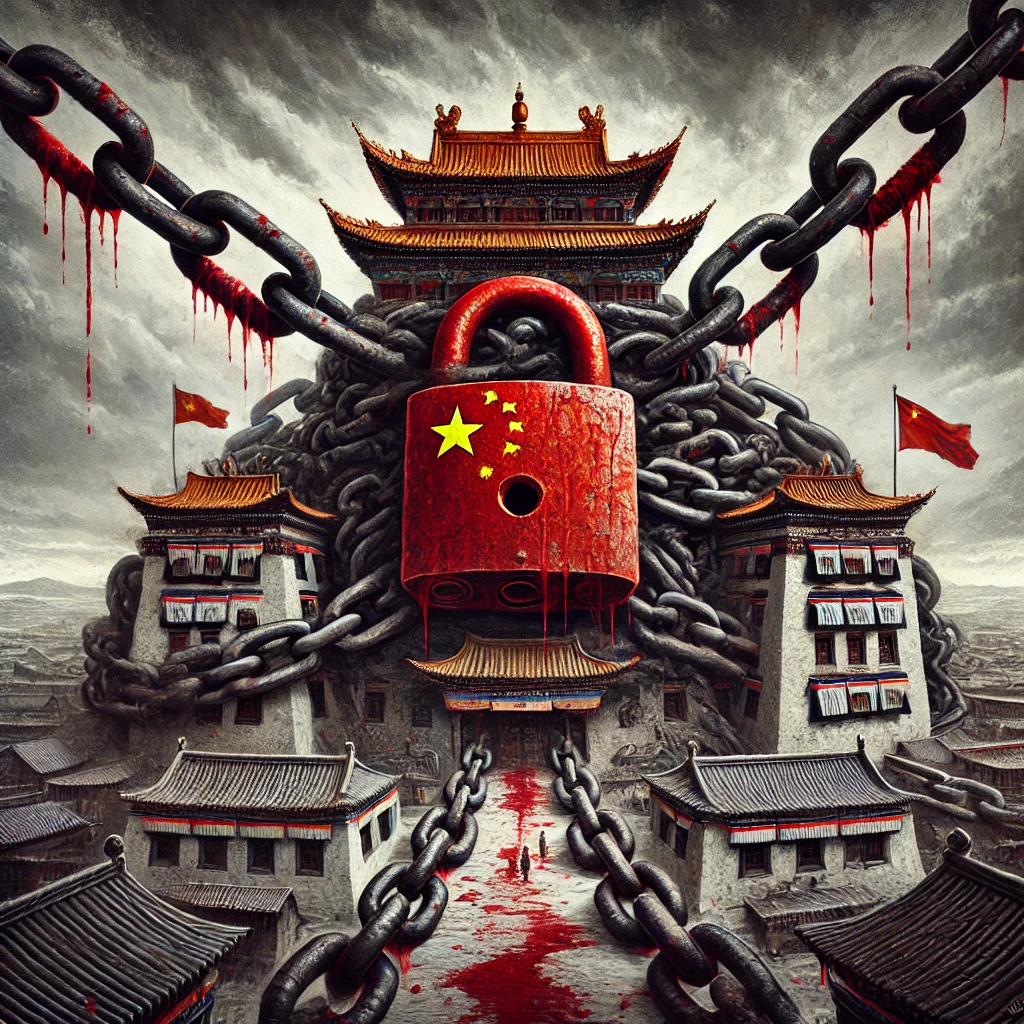
China Intensifies Crackdown on Tibetan Monastic Schools, Forces Students Into State Control

Archived link

In yet another move to tighten its grip over Tibetan culture and identity, China has forcibly relocated approximately 200 students from the Lhamo Kirti Monastery school in Amdo (present-day Sichuan province) to state-administered residential schools. This controversial action is part of Beijing’s wider strategy to control Tibetan education and assimilate Tibetan identity, according to intelligence sources.

The Lhamo Kirti Monastery school, a traditional hub for Buddhist learning, has been entirely shut down. Reports indicate that four Tibetan youths who resisted the forced transfer were detained, subjected to political re-education, and subsequently enrolled in a local government school under duress.

“China is systematically erasing Tibetan identity by promoting Mandarin and Chinese cultural values through state-run schools,” read a note from top intelligence agencies. “Over one million Tibetan children are now in state-administered schools, separated from their families and traditional cultural roots.”

Beijing’s push to transfer students from monastic schools to government institutions is seen as part of a broader effort to suppress Tibetan Buddhism and ensure loyalty to the Chinese Communist Party (CCP). Increasing surveillance, restrictions on religious practices, and control over the appointment of Tibetan religious leaders—including the reincarnation of the Dalai Lama—underscore this strategy.

Recent developments coincide with a heightened security presence in Tibetan areas. In September, Chen Wenqing, the head of the Central Political and Legal Affairs Commission, visited the Tibet Autonomous Region (Bod) and Tibetan areas of Amdo and Kham (present-day Sichuan, Qinghai, Yunnan, and Gansu provinces). Chen called for a “resolute crackdown” on separatist activities and ordered local officials to prioritize stability.

The increasing arrests of Tibetans for contacting outsiders or resisting state policies have drawn parallels to the ongoing repression of the Uighur population in East Turkestan (Xinjiang). Sources report that detainees are threatened with transfer to so-called “rehabilitation centers” if they fail to comply with government mandates.

China Intensifies Crackdown on Tibetan Monastic Schools, Forces Students Into State Controlhttps://mainlandpost.com/china-intensifies-crackdown-on-tibetan-monastic-schools-forces-students-into-state-controlOpen linkView original on feddit.org
5
europe·Europeby0x815

Eurobarometer survey: Europeans want a stronger, more independent and sustainable EU while nine in ten citizens support Ukraine aid, vast majority for sanctions against Russia

Key findings:

  • 51% of Europeans tend to trust the EU, the highest result since 2007. At the same time, 44% of EU citizens continue to have a positive image of the EU, while 38% have a neutral image and 17% have a negative image of the EU.

  • This Eurobarometer survey has registered the highest support ever for the common currency, both in the EU as a whole (74%) and in the euro area (81%).

  • Security and defence (33%) is the main priority area for EU action in the medium term, followed by migration (29%).

  • 44% of European citizens think that ensuring peace and stability will have the highest positive impact on their life in the short term, followed by securing food, health, and industry supplies in the EU and managing migration (both 27%).

  • Europeans believe the EU should prioritise renewable energy (38%) first, followed by investments in sustainable agriculture (31%), energy infrastructure (28%) and clean technology investments (28%).

  • A plurality of Europeans find the situation of the European economy good. A plurality believe the European economic situation will remain stable in the next twelve months.

  • Nearly nine Europeans in ten (87%) agree with providing humanitarian support to the people affected by the war. 71% of EU citizens support economic sanctions on the Russian government, companies, and individuals and 68% agree with providing financial support to Ukraine. Six in ten approve of the EU granting candidate status to Ukraine and 58% agree with the EU financing the purchase and supply of military equipment to Ukraine.

[Edit typo.[

https://europa.eu/eurobarometer/surveys/detail/3215Open linkView original on feddit.org
134
europe·Europeby0x815

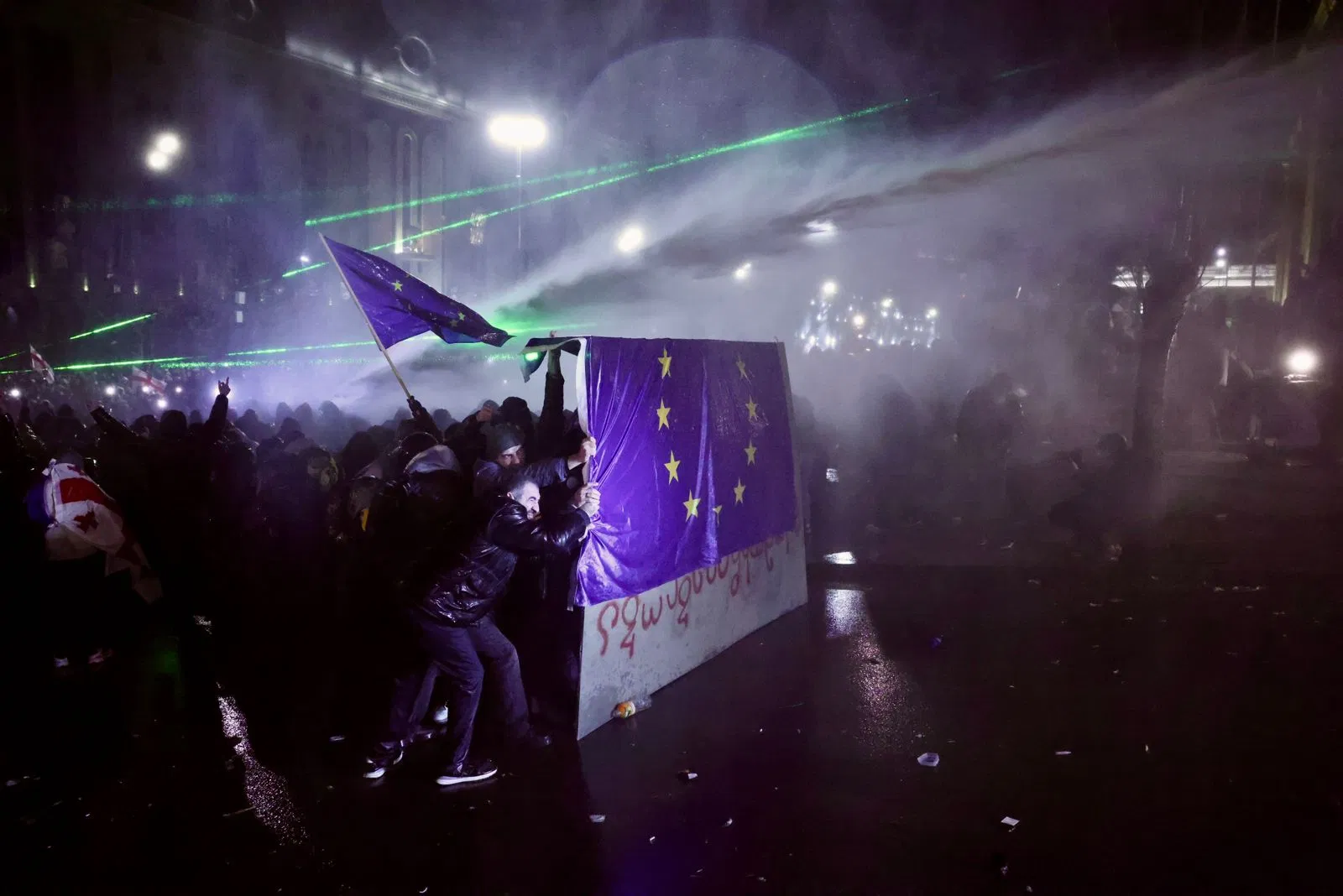
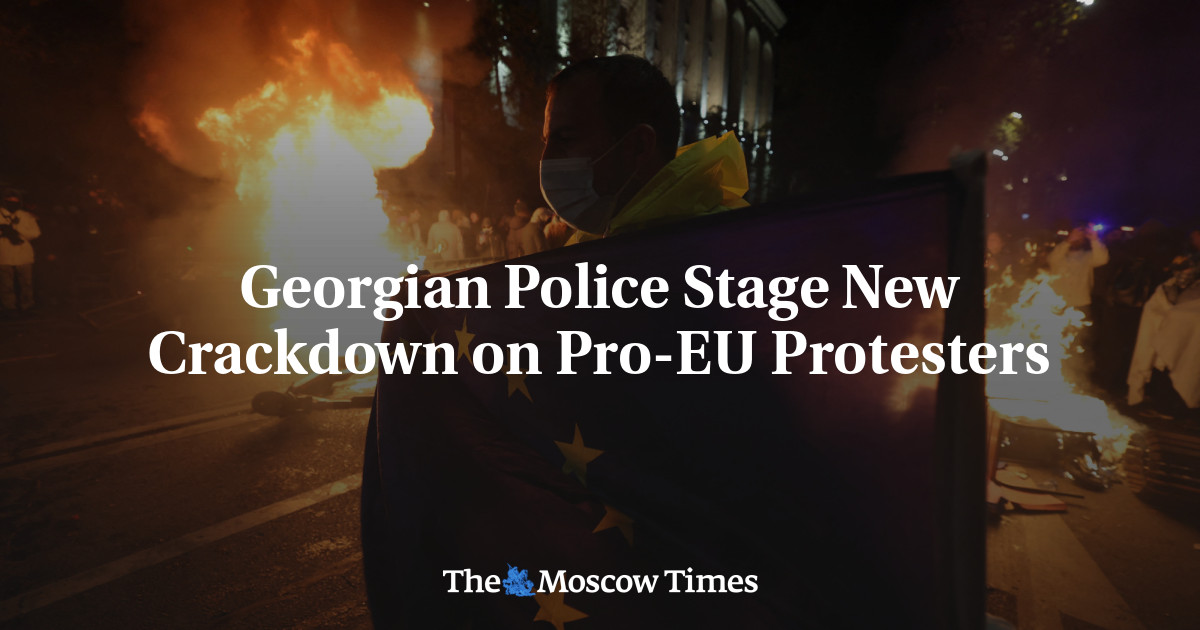
Georgia: Police fires water cannon and tear gas on demonstrators as thousands take to the streets for a second day to protest the government putting off EU membership talks

Archived link

Georgian police on Friday fired water cannon and tear gas on demonstrators, as thousands took to the streets for a second day to protest the government putting off EU membership talks.

The Black Sea nation has been rocked by turmoil since the ruling Georgian Dream party declared victory in October parliamentary elections that the pro-EU opposition decried as falsified.

In a televised address to the nation, pro-Western President Salome Zurabishvili — at loggerheads with the ruling party — said: "The resistance movement has begun... I stand in solidarity with it.

"We will remain united until Georgia achieves its goals: to return to its European path, secure new elections."

Prime Minister Irakli Kobakhidze's statement Thursday that Georgia will not seek to open accession talks with the European Union until 2028 ignited a furious reaction from the opposition and two days of protests.

[...]

Georgia: Police fires water cannon and tear gas on demonstrators as thousands take to the streets for a second day to protest the government putting off EU membership talkshttps://www.themoscowtimes.com/2024/11/29/georgian-police-stage-new-crackdown-on-pro-eu-protesters-a87165Open linkView original on feddit.org
89
dach·DACH - Deutschsprachige Community für Deutschland, Österreich, Schweizby0x815

Chinas Spione an europäischen Universitäten bereiten EU-Politikern immer größere Sorge

Archiv-Link

Hackerangriffe auf Universitäten, Spionage durch Gaststudenten, Forschungskooperationen mit staatsnahen Einrichtungen in China: Die Europäische Union ist alarmiert angesichts zunehmender Einflussversuche autoritärer Staaten und Spionage an europäischen Universitäten und Hochschulen.

„Die EU-Kommission beobachtet aufmerksam die Aktivitäten, die von solchen Akteuren oder in deren Auftrag durchgeführt werden“, sagte EU-Kommissarin Helena Dalli am Donnerstag im EU-Parlament. „Wir dürfen nicht naiv sein“, warnte sie.

[...]

Tatsächlich gibt es eine Vielzahl von Forschungskooperationen und Austauschprogrammen zwischen europäischen Hochschulen und Einrichtungen in China und anderen Drittstaaten. Doch laut Bundesamt für Verfassungsschutz sind gerade solche wissenschaftlichen Kooperationen ein zentraler Angriffspunkt für ausländische Akteure, um an Technologie und Know-how aus Europa zu gelangen. „Der chinesische Staat nutzt gezielt rechtliche Grauzonen, ein mangelndes Risikobewusstsein sowie die in Deutschland verfassungsrechtlich garantierte akademische Freiheit aus“, so die Behörde.

Der chinesische Staat nutzt gezielt rechtliche Grauzonen, ein mangelndes Risikobewusstsein sowie die in Deutschland verfassungsrechtlich garantierte akademische Freiheit aus. -- Deutsches Bundesamt für Verfassungsschutz

China hat sich öffentlich zum Ziel gesetzt, bis 2025 die führende Technologie- und Wirtschaftsmacht der Welt zu werden. Dafür seien Peking offenbar alle Mittel recht, kritisieren Abgeordnete im EU-Parlament. Denn in Zeiten, in denen die Forschung in strategischen Bereichen wie Quantentechnologie, Künstliche Intelligenz und Weltraumforschung rasant voranschreitet, sind Universitäten besonders attraktive Ziele für Staaten, die eine technologische Vorherrschaft anstreben. Vor einigen Jahren stieg die Zahl chinesischer Doktoranden an Europas Universitäten plötzlich rasant an, chinesische Konzerne unterstützen nun mit hohen Summen Abschlussarbeiten und Forschungsprojekte. Im Zentrum der Spionage stehen häufig Luft- und Raumfahrttechnologien, Robotik, IT und die Forschung an Lasern und Mikrochips.

[...]

Die französische Abgeordnete Laurence Farreng von den Liberalen warnte im EU-Parlament, dass Universitäten und Hochschulen bei ausländischer Einflussnahme ein blinder Fleck für die Politik seien [...] „Wir müssen uns für mehr Forschungssicherheit einsetzen und die Nachrichtendienste stärken.“ Ihr Kollege Hannes Heide von den österreichischen Sozialdemokraten warnte in der Parlamentsdebatte vor der Zusammenarbeit mit chinesischen Forschenden. Sie seien per Geheimdienstgesetz verpflichtet, ihr erworbenes Wissen mit staatlichen Stellen zu teilen. Es brauche daher dringend schärfere Kontrollen und mehr Transparenz bei der Finanzierung von Forschungsprojekten in Europa.

[...]

Sicherheitsbehörden mehrerer Länder berichten übereinstimmend von Fällen, in denen chinesische Spione – oft in Gestalt von Doktoranden, Studierenden oder Geschäftsleuten – versuchen, sensible Informationen zu stehlen. Der Vorwurf der Behörden: China habe systematisch und mit Unterstützung der eigenen Regierung ein Netzwerk von Wissenschaftsspionen aufgebaut, die gezielt nach militärischen und industriell bedeutenden Technologien suchen.

[...]

Chinas Spione an europäischen Universitäten bereiten EU-Politikern immer größere Sorgehttps://www.rnd.de/politik/china-spionage-an-universitaeten-eu-politiker-in-grosser-sorge-IQYPYJK5XJFLLKWOHPIBYYCYIA.htmlOpen linkView original on feddit.org
28
unitedkingdom·United Kingdomby0x815

UK parliament backs Taiwan UN participation, rejects China's “distortion of the international law”

cross-posted from: https://feddit.org/post/5201835

The UK House of Commons unanimously voted to reject China’s “distortion of the international law around Taiwan” to undermine its participation in international organizations, including the UN.

It is the fifth legislative body to condemn Beijing's interpretation of UN Resolution 2758, following Australia, Canada, The Netherlands and the EU.

The House said that UN Resolution 2758 passed on Oct. 25, 1971 — which states that the People's Republic of China (PRC) is the only legitimate government of China — does not mention Taiwan and therefore does not establish PRC sovereignty over Taiwan or define its political status.

The chamber urged the UK government to clarify its position that nothing in international law forbids Taiwan’s participation in international organizations such as the UN.

[...]

The UK continues to be a "staunch advocate for Taiwan’s meaningful international participation" in bodies including the UN and the World Health Assembly, UK Foreign Office Minister for the Indo-Pacific Catherine West said yesterday.

The UK government should condemn any attempts by the Chinese Communist Party to “rewrite history,” as this behavior does not benefit Taiwanese, the interests of the UK or the wider international community, West added.

[...]

[Labour Party lawmaker Blair] McDougall said that “diplomatic technicalities on an issue as fraught as the status of Taiwan could have far-reaching consequences for the entire world,” citing the importance of Taiwan’s semiconductor industry, shipping routes and geopolitical position.

The economic toll of a Chinese invasion of Taiwan would be felt in every household in the UK, he added.

McDougall also stressed that the Russian invasion of Ukraine serves as a stark reminder to “form policy on a crisis before the crisis emerges,” he said.

UK parliament backs Taiwan UN participation, rejects China's “distortion of the international law”https://www.taipeitimes.com/News/front/archives/2024/11/29/2003827696Open linkView original on feddit.org
21