

The tree murderer at large
This adorable aquatic asshole took down one of the very few maple trees at my favorite island park.
This adorable aquatic asshole took down one of the very few maple trees at my favorite island park.

Dictyophorus spumans, also known as the koppie foam grasshopper, is a species of grasshopper in the family Pyrgomorphidae, indigenous to southern Africa. The name "foam grasshopper" derives from the insect's ability to produce a toxic foam from its thoracic glands, using a combination of hemolymph with air from the grasshopper's spiracles. Adult males are typically 4.5 to 5 cm (1.8 to 2.0 in) long and females typically 5 to 7 cm (2.0 to 2.8 in), but can grow up to a length of 8 cm (3.1 in).
Photographer: Charles J. Sharp
Elephants are the largest existing land animals and the only surviving members of the family Elephantidae. Three living species are recognised: the African bush elephant, the African forest elephant, and the Asian elephant. Elephants have long, flexible trunks, long tusks, large ear flaps, pillar-like legs, and grey skin. They are herbivorous, and stay near water when it is accessible. Females (cows) tend to live in family groups, which can consist of one female with her calves or several related females with offspring. After reaching adulthood, males (bulls) live separately, either alone or with other males. Elephants communicate by touch, sight, smell, and sound. Threats to their populations include poaching for their ivory tusks, habitat destruction, and conflicts with local people. Elephants are iconic in human culture and have been featured in art, folklore, religion, literature, and popular culture.
Photographer: Muhammad Mahdi Karim
The red knot (Calidris canutus) is a medium-sized shorebird in the sandpiper family, Scolopacidae. It breeds across the high Arctic of Canada, Greenland, Europe and Russia, and undertakes some of the longest migrations of any landbird. Six subspecies are recognised, wintering on coasts from western Africa to Australia, New Zealand and South America. It feeds on arthropods and larvae on its breeding grounds and mainly on molluscs and other marine invertebrates during migration and winter. The red knot is a relatively large sandpiper with short dark legs and a thin dark bill. In winter it is mostly pale grey, while breeding adults develop distinctive reddish-cinnamon underparts; the exact plumage varies between subspecies. Although widespread, some populations have declined because of habitat loss, climate change and reduced food availability.
Photographer: Chuck Homler
This 5 centimetres (2.0 in)-long nudibranch can be found in the Western Pacific Ocean and feeds, like many other nudibranchs, on sponges.
Photographer: Diego Delso
The parti-coloured bat (Vespertilio murinus), also known as the rearmouse, is a species in the vesper bat family, Vespertilionidae. It is found across temperate Eurasia, from western and southern Europe through the Caucasus, Iran, Mongolia, northern China, Korea, Afghanistan and northern Pakistan. It measures 4.8–6.4 cm (1.9–2.5 in) in body length, weighs 11–24 grams (0.39–0.85 oz), and has a 26–33 cm (10–13 in) wingspan. Much of the parti-coloured bat's behaviour remains poorly understood because the species is relatively rare. It hunts insects such as mosquitoes, caddis flies and moths using ultrasonic calls, often over water and forests and around street lights. Females form maternity roosts and usually bear twins, while the species migrates long distances and hibernates alone through winter. Its distinctive twittering call is especially noticeable during the autumn mating season.
Photographer: Charles J. Sharp
The red-necked grebe (Podiceps grisegena) is a species of water bird in the grebe family, Podicipedidae, found across the temperate regions of the northern hemisphere. It breeds on shallow freshwater lakes, marshes and ponds, and winters mainly along sheltered coasts and other large bodies of water. In breeding plumage, adults have a black cap, pale grey face and throat, and a rusty-red neck, while winter birds are duller grey. The species is a strong swimmer and diver, feeding on fish, aquatic insects and other invertebrates. Red-necked grebes build floating nests among emergent vegetation, and newly hatched chicks often ride on their parents' backs. It is classified as a least-concern species by the International Union for Conservation of Nature.
Photographer: Charles J. Sharp
As the sun fades away you get to see a real beauty, you get to see some gazelles, you can't actually see any details but their silhouettes glazing within the sun rays. Pure epic wonder in such view, you can feel the beauty through the sunset's colors reflected on the gazelles.
Photographer: Anass Errihani
Arctocephalus pusillus, the Cape fur seal, is a species in the family Otariidae, the eared seals. The species is found along the coasts of southern Africa and southeastern Australia and is the largest of the fur seals, with adult males growing up to 2.3 metres (7.5 ft) in length and females somewhat smaller. Males are dark grey to brown with a darker mane, while females are lighter in colour and pups are born black. The species breeds in large colonies on rocky islands, reefs and coastal outcrops, where females give birth to a single pup. Cape fur seals feed mainly on fish, squid and other marine animals, and are preyed upon mainly by great white sharks and orcas. It is classified as a least-concern species by the International Union for Conservation of Nature.
Photographer: JJ Harrison
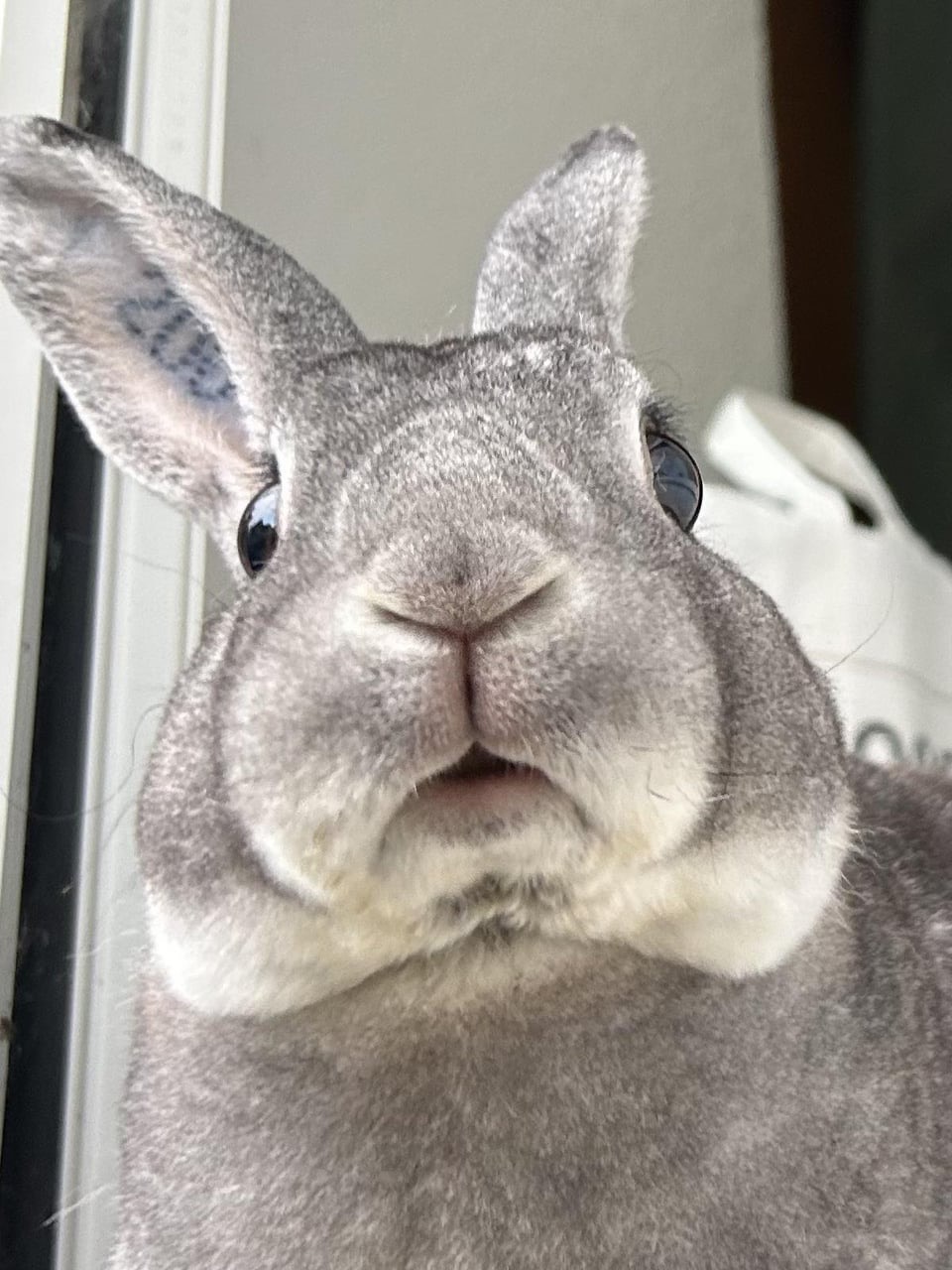
![Portrait [OC]](https://lemmy.world/pictrs/image/574d9f66-8b54-4ecf-bedb-52b1a8b5a3eb.jpeg)
![Tallneck [OC]](https://lemmy.world/pictrs/image/8076f4c2-e85d-4800-ad50-a780134a1ba0.jpeg)