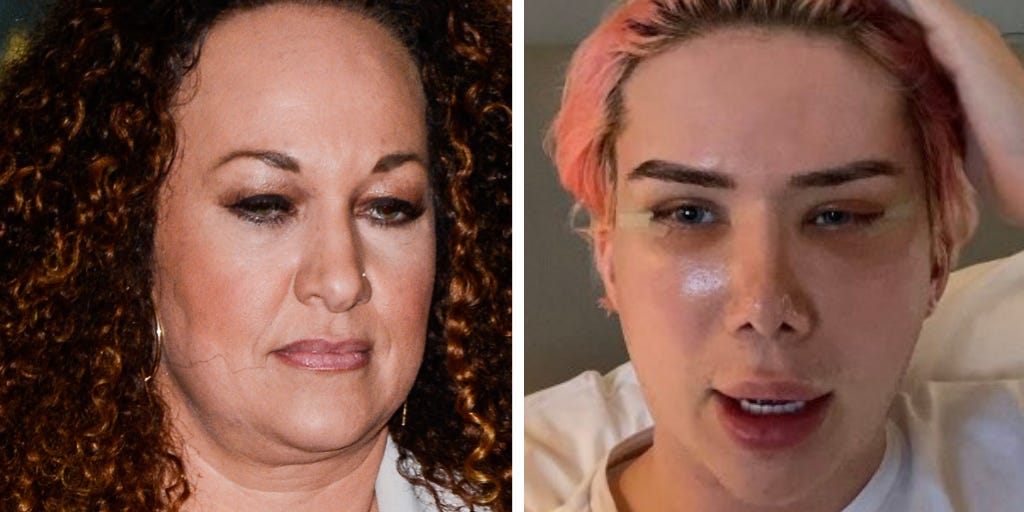
Spyke

If you support transgender rights, then you should support transracial rights

Supporting transgender rights has really opened my eyes to how important it is for everyone to be true to who they are.

It’s about letting people live their lives as the gender they feel inside, not just what they were assigned when they were born. Respect and making sure people can be themselves without facing hate or discrimination.

I think the idea of being transracial is just like being transgender. It’s that simple.

If we say it’s okay for someone to live as a different gender, why can’t the same idea apply to race?

I mean, both gender and race are things that society made up to categorize people. If someone feels deep down that they belong to a different racial group, shouldn’t we respect that feeling too?

This isn’t about making light of what transgender or racial minority groups go through.

It’s just about asking if we can extend the same understanding and acceptance to others who feel their identity is different from what society expects. It’s about having empathy and keeping an open mind.

It’s all about finding that balance and learning from each other.

Identity is personal. Respect is universal!
View original on lemmy.world

Understanding and Valuing Transracial Identity

Understanding and Valuing Transracial Identity

The concept of transracial identity, where an individual identifies with a race different from their birth-assigned race, has sparked intense debate and curiosity.

This concept challenges traditional notions of racial identity, similarly to how transgender individuals confront and redefine conventional understandings of gender.

Society should approach transracial identity with the same openness and acceptance afforded to transgender identity, respecting individual identity and promoting inclusivity.

Historically, racial identity has been perceived as immutable, largely defined by physical characteristics and ancestry.

Just as our understanding of gender has evolved, so too should our perception of race. Noted anthropologist Audrey Smedley argues that "race as biology is fiction, but race as a social problem is real."

This statement underpins the notion that race, much like gender, is heavily influenced by social and cultural constructs rather than purely biological factors.

Transgender individuals, through their lived experiences, have challenged and reshaped our understanding of gender as a spectrum rather than a binary.

Renowned gender theorist Judith Butler posits that gender is performative, a series of acts and expressions rather than a fixed state. This perspective mirrors the potential understanding of racial identity as fluid, influenced by personal identification and cultural association rather than fixed biological markers.

The acceptance of transgender individuals, while still facing significant challenges, has grown through legal recognition, social support, and medical advancements. This shift demonstrates society's capacity to evolve and embrace diverse identities.

Acknowledging transracial identity could promote a deeper understanding of race as a complex, multifaceted construct, encouraging empathy and inclusivity.

Critics and reddit trolls may argue that transracial identity undermines the struggles and historical experiences unique to specific racial groups.

But this perspective overlooks the individual's quest for identity and belonging. Just as transgender individuals do not negate the experiences of cisgender individuals, those identifying as transracial are not diminishing the realities of racism and discrimination faced by racial minorities. Instead, they are navigating their own complex identities within the societal fabric.

Historical examples such as the life of Mezz Mezzrow, a Jewish-American jazz musician who identified strongly with African American culture and society in the early 20th century, highlight the fluidity of racial and cultural identity.

Mezzrow's embrace of African American culture and his identification with the Black community challenge rigid racial boundaries and showcase the potential for cross-cultural identification and solidarity.

Society's growing acceptance of diverse identities, including transgender, sets a precedent for a more inclusive approach to transracial identity.

By recognizing the fluidity and complexity of racial identity, we can foster a more empathetic and understanding society.

The journey towards inclusivity and acceptance is ongoing, and it is through understanding and empathy that we can build a more inclusive world.

Just as we have learned to embrace the spectrum of gender identities, so too should we open our minds to the diverse ways individuals experience and identify with race.

View original on lemmy.world

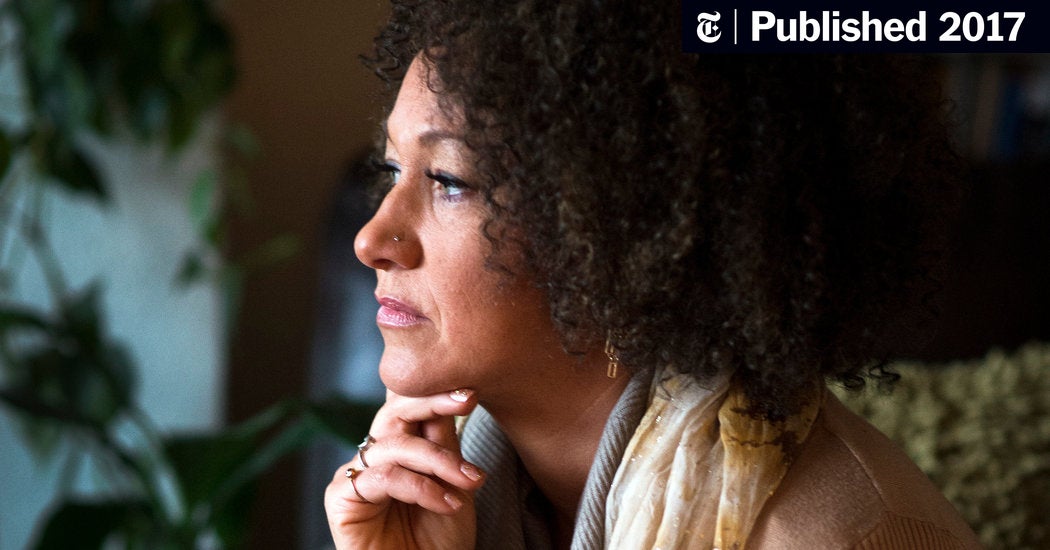
Rachel Dolezal, the White woman infamous for claiming to be Black, fired over OnlyFans account

Rachel Dolezal, the White woman and former National Association for the Advancement of Colored People (NAACP) chapter president who courted major controversy nearly 10 years ago for falsely claiming she was Black, has been fired from her position with an Arizona school district over an OnlyFans account.

https://www.cnn.com/2024/02/15/us/rachel-dolezal-onlyfans-arizona-teacher-cec/index.htmlOpen linkView original on lemmy.world