
Want to Maximize Drone Integration in Close Combat? Create a Professional Drone Specialization Inside the Infantry - Modern War Institute
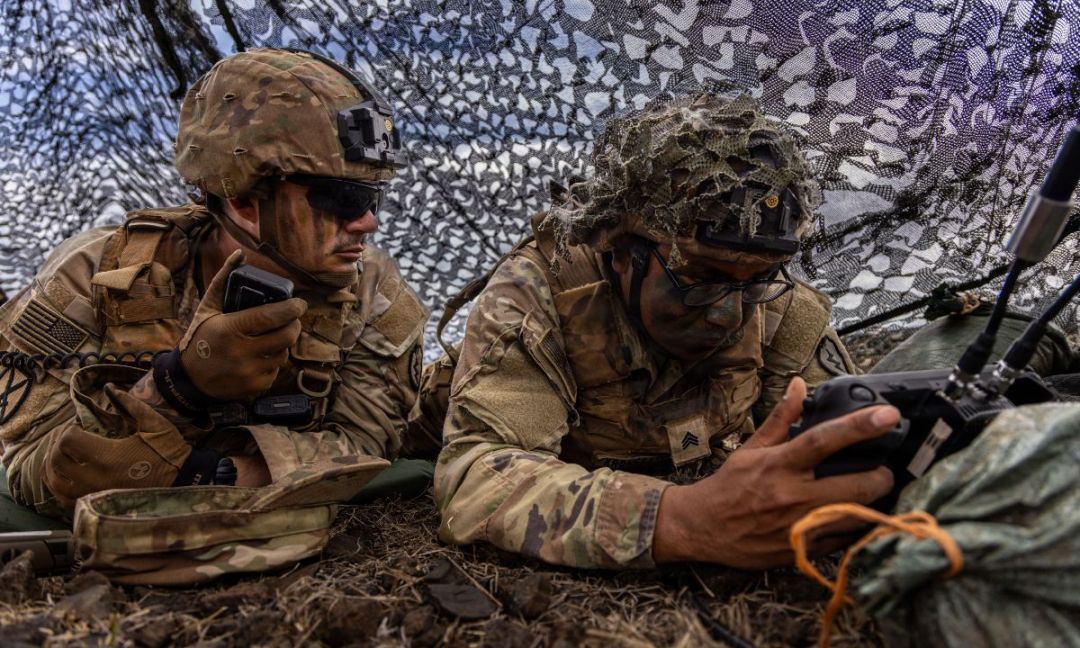
During our brigade’s recent rotation at the Joint Readiness Training Center, an infantry battalion discovered something essential to success on the modern battlefield. Tasked to screen the approach of a larger air assault, 2nd Battalion, 506th Infantry built a layered web of sensors—company drone operators tied directly to mortar sections, scout teams pushed beyond the forward line of troops, and medium-range reconnaissance drones feeding the targeting cycle. The battalion’s single most effective intelligence asset was that medium-range platform. And the after-action lesson its leaders drew was blunt: The drone and its operators had become such a high-payoff target that the system needed to be flown by a specially trained infantryman who could survive in the close fight—not by a tactical unmanned aircraft system (UAS) pilot trained for employment at higher echelons.
That conclusion, reached independently by a maneuver battalion under combat-realistic conditions, makes the case for a new military occupational specialty in miniature. The proliferation of small UAS, first-person-view (FPV) strike drones, and AI-enabled sensing tools has changed how infantry formations move, hide, communicate, and survive. The question is no longer whether drones matter to the close fight. It is whether the Army’s personnel model is built for the battlefield that now exists. It is not. The infantry needs a dedicated specialty—call it 11R, the drone-enabled infantryman—because drone-enabled warfare has become a persistent, technically demanding function of maneuver that can no longer survive as an informal additional duty without degrading both drone proficiency and infantry fundamentals.
 https://mwi.westpoint.edu/want-to-maximize-drone-integration-in-close-combat-create-a-professional-drone-specialization-inside-the-infantry/Open linkView original on sopuli.xyz